Farhan Faqir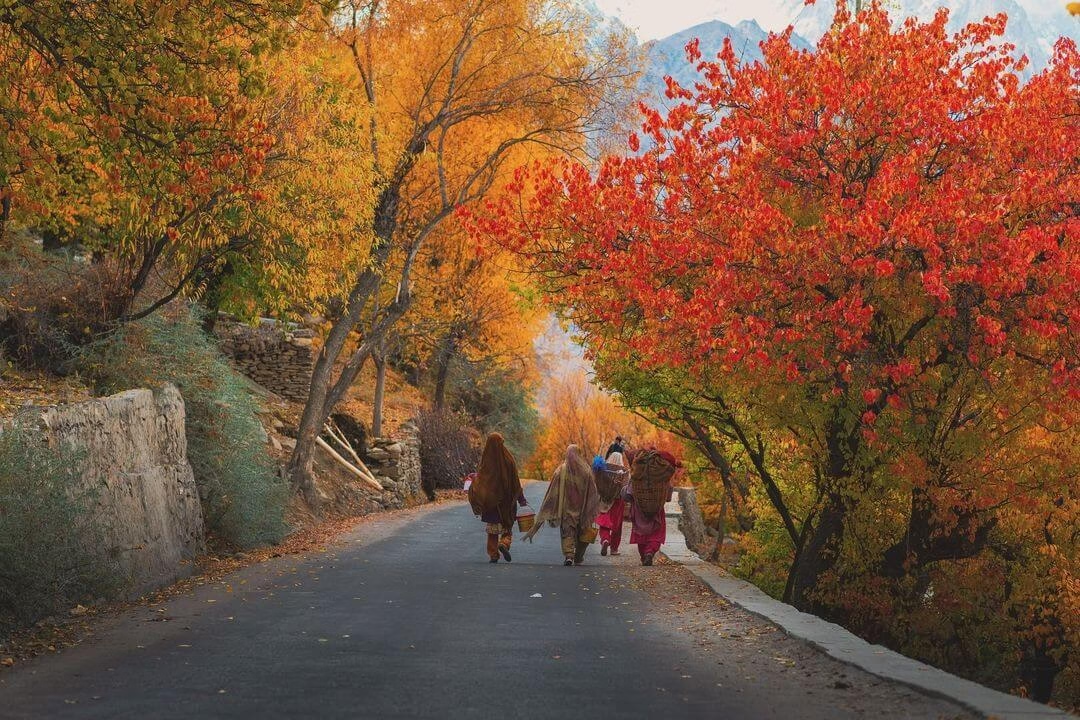
Why GB Autumn is World-Class — And Almost Nobody Knows It
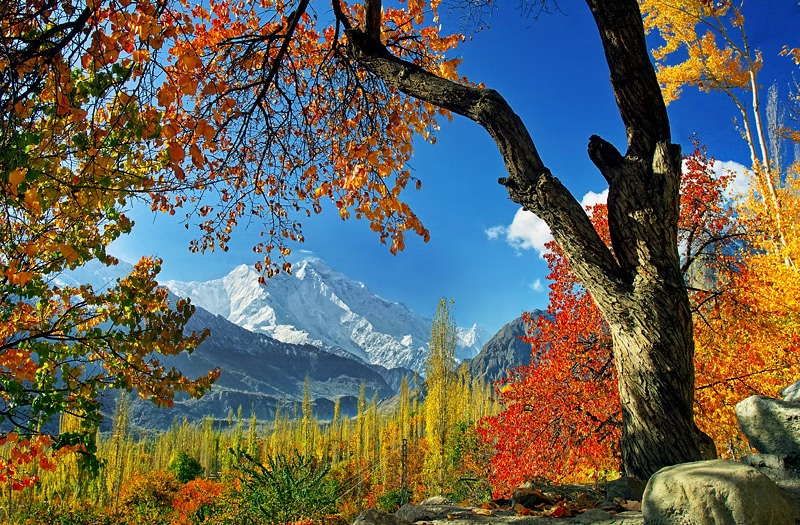
Every autumn, Japan’s maple forests and New England’s foliage season generate millions of Instagram posts and attract millions of tourists. In the same weeks — late October and early November — Gilgit-Baltistan undergoes a transformation that is equally spectacular and receives a tiny fraction of the attention.
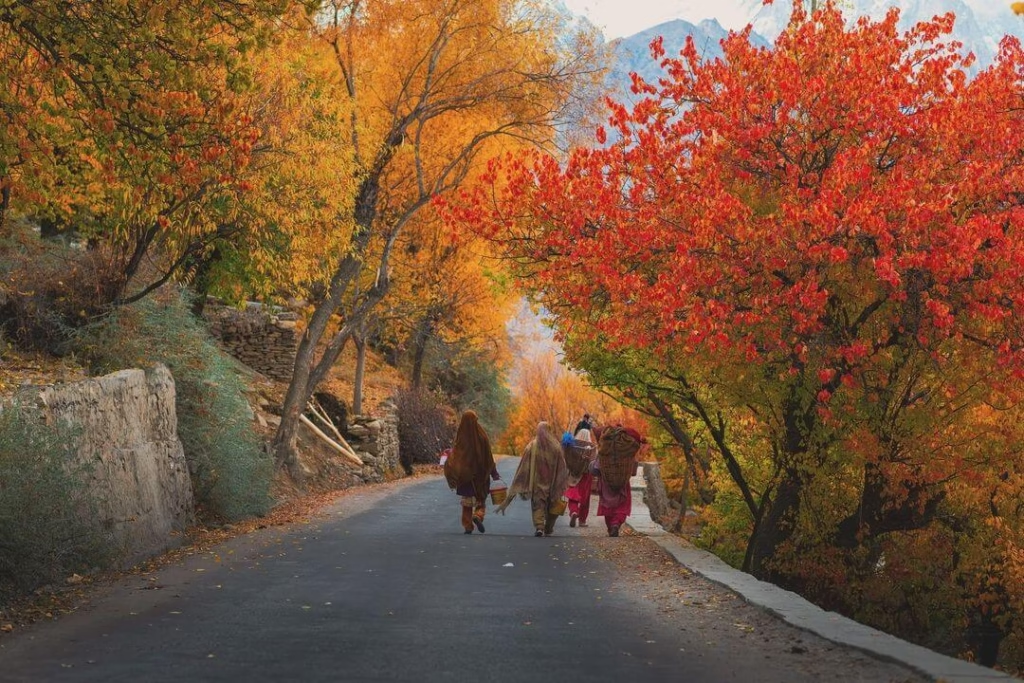
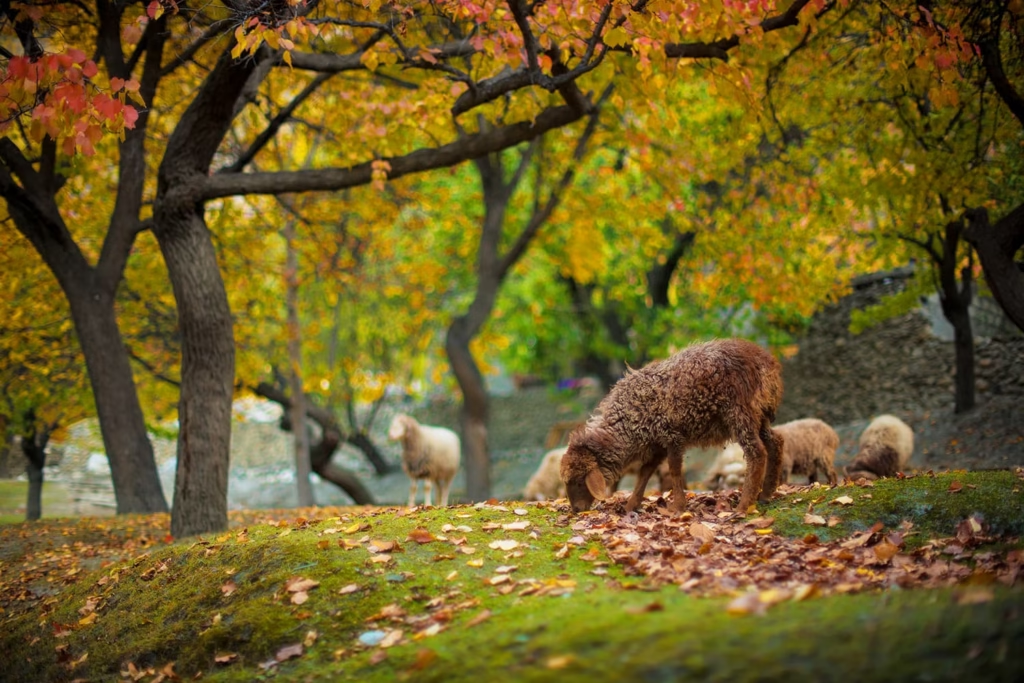
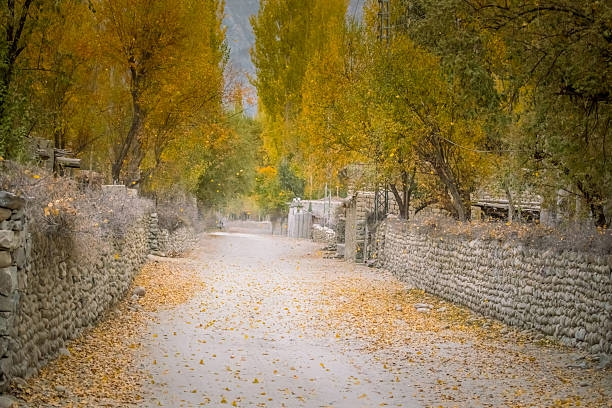
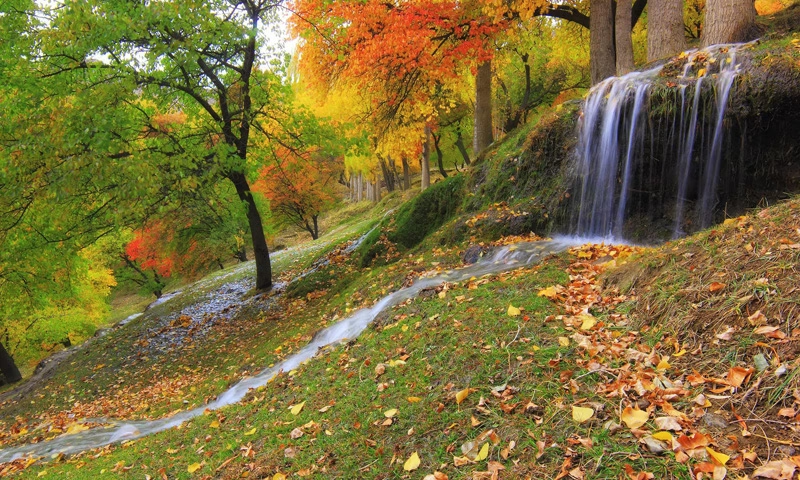
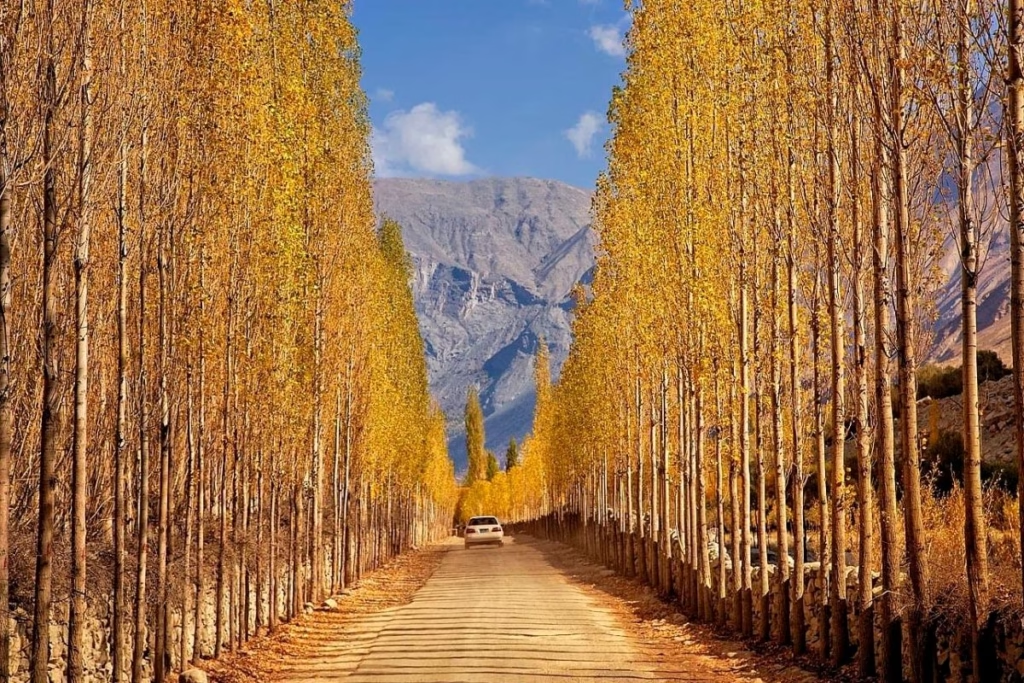
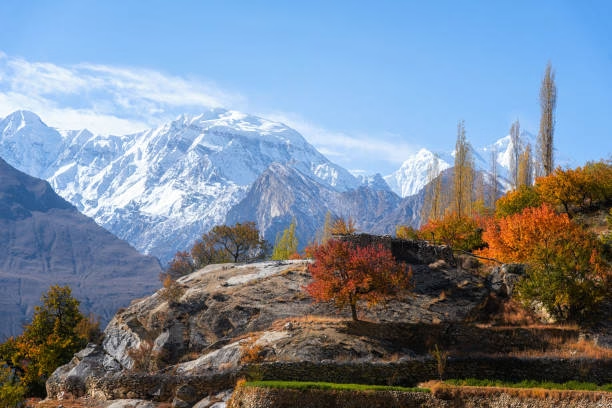
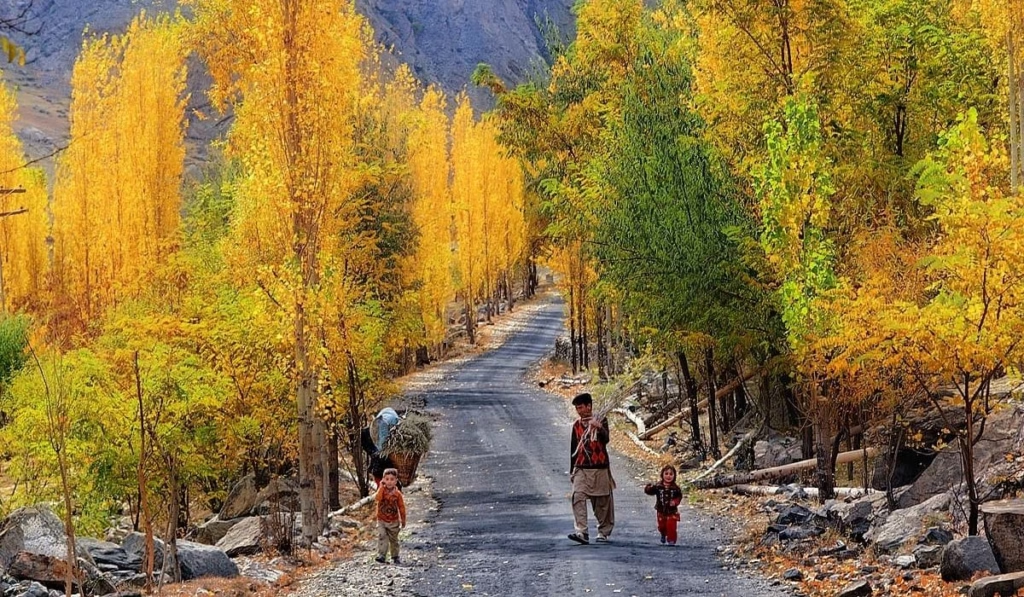
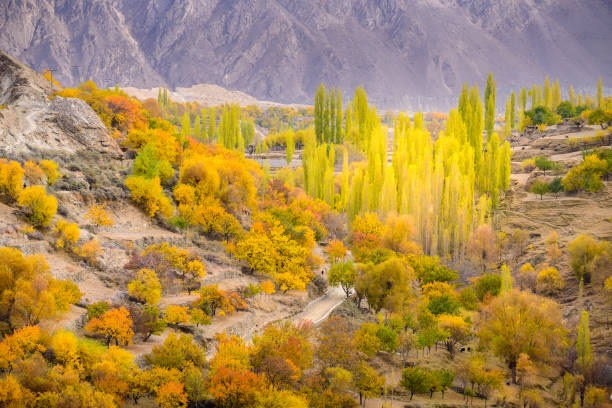
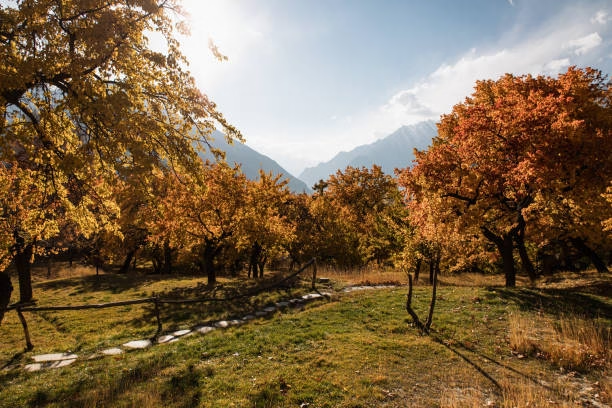
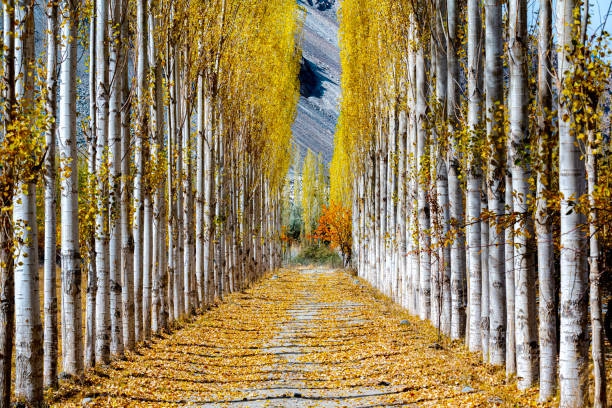
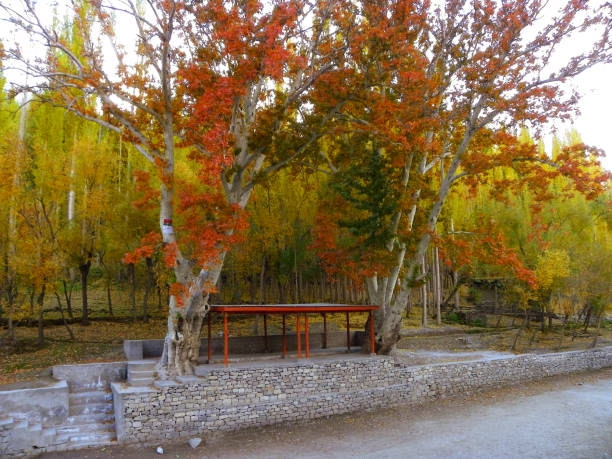
The apricot, cherry, poplar, willow, and chinar trees that define every Hunzai village and Skardu settlement turn through every shade of gold, amber, orange, crimson, and burgundy. Against the backdrop of snow-dusted peaks above 7,000 meters and cobalt-blue skies that only high altitude provides, the visual effect is overwhelming. And unlike Japan’s autumn season — where the best spots are crowded with tour groups — even at peak autumn in Hunza, you can find yourself alone in a traditional village surrounded by golden orchards with a 7,000-meter mountain behind you and nobody else in frame.
This combination — world-class scenery, minimal crowding, low cost, genuine cultural immersion — makes Gilgit-Baltistan’s autumn one of the most undervalued photography destinations in Asia. Its discovery by the global photography community is only a matter of time.
Timing — When Does Autumn Happen?
Unlike temperate deciduous forests where all trees change simultaneously, Gilgit-Baltistan’s autumn unfolds across a 4–6 week window because of the dramatic variation in altitude and exposure across the region. The general pattern:
| When | Where | What’s Happening |
| Late September | High-altitude areas above 3,500m | First color appears in alpine pastures and high meadows |
| Early October | Nagar Valley; Upper Hunza (Gojal) | Apricots and poplars begin turning gold |
| Mid October (10–20 Oct) | Hunza / Karimabad PEAK | Main orchards full color — apricots brilliant gold, poplars amber |
| Late October (20–31 Oct) | Skardu basin; Shigar Valley PEAK | Poplars along Indus tributaries turn gold; sandy desert floor contrast |
| Early November | Lower valleys; Gilgit area | Final color; some late-changing trees at their best |
| Mid November | End of season | Most trees bare; first winter feel returns |
Local insight: The most reliable peak in Hunza is typically October 12–22. If you can only choose one 10-day window for a trip, this is it. But the best strategy is to build flexibility into your itinerary — arrive a few days before expected peak and stay a few days after.
1. Hunza Valley / Karimabad — The Defining Image
The Hunza Valley is Pakistan’s most photographed autumn destination and the landscape that has put GB on the international travel map. The combination of 700-year-old Baltit Fort perched above terraced apricot orchards turning gold, the backdrop of Ultar Sar (7,388m) dusted with fresh snow, and the broad valley below with the Hunza River glinting in the clear October light — this is the composition that appears on every travel poster and photography portfolio from the region.
For photographers specifically: the ridge above Karimabad known as Duikar (where Eagle’s Nest Hotel is located) provides the panoramic view that makes this composition possible. The drive or 2-hour walk from Karimabad to Duikar takes you to 2,900m, from which the entire valley is visible below. This is a sunrise shoot — arrive 30 minutes before dawn, position yourself with the valley below and the mountains behind, and wait. The light show that follows is extraordinary.
Within Karimabad itself, the orchards around the fort and the terraced fields below the village are best in mid-morning light when the sun is high enough to light the trees but the sky is still deep blue. Walk the village paths rather than sticking to the main road — the best compositions are found in the agricultural terraces, not on the tourist trail.

2. Skardu Basin — Autumn on a Grand Scale
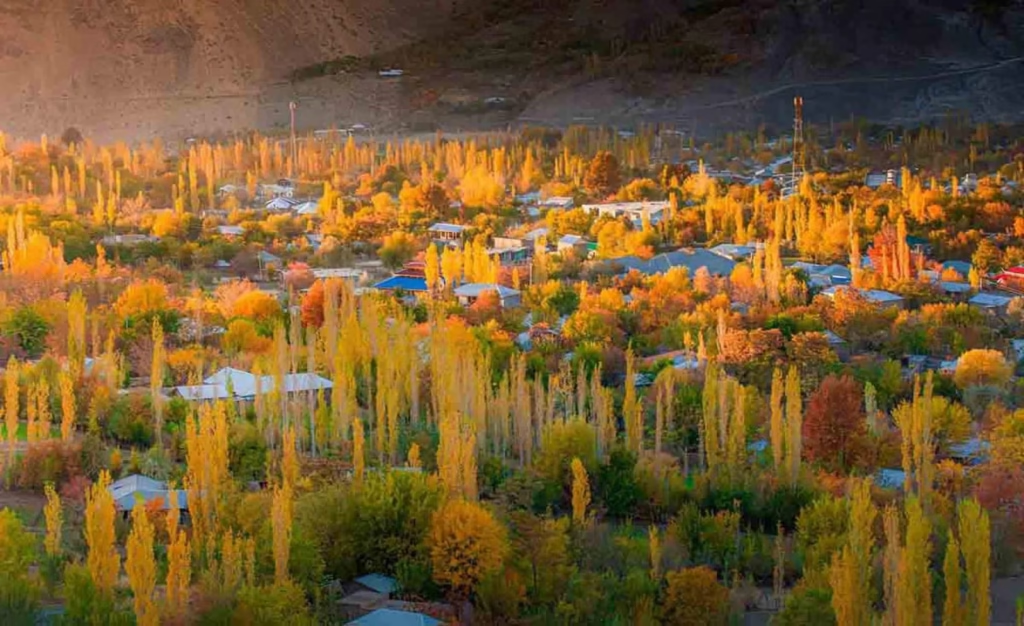
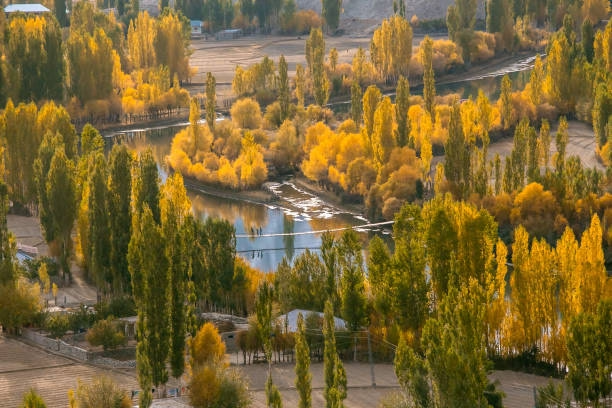
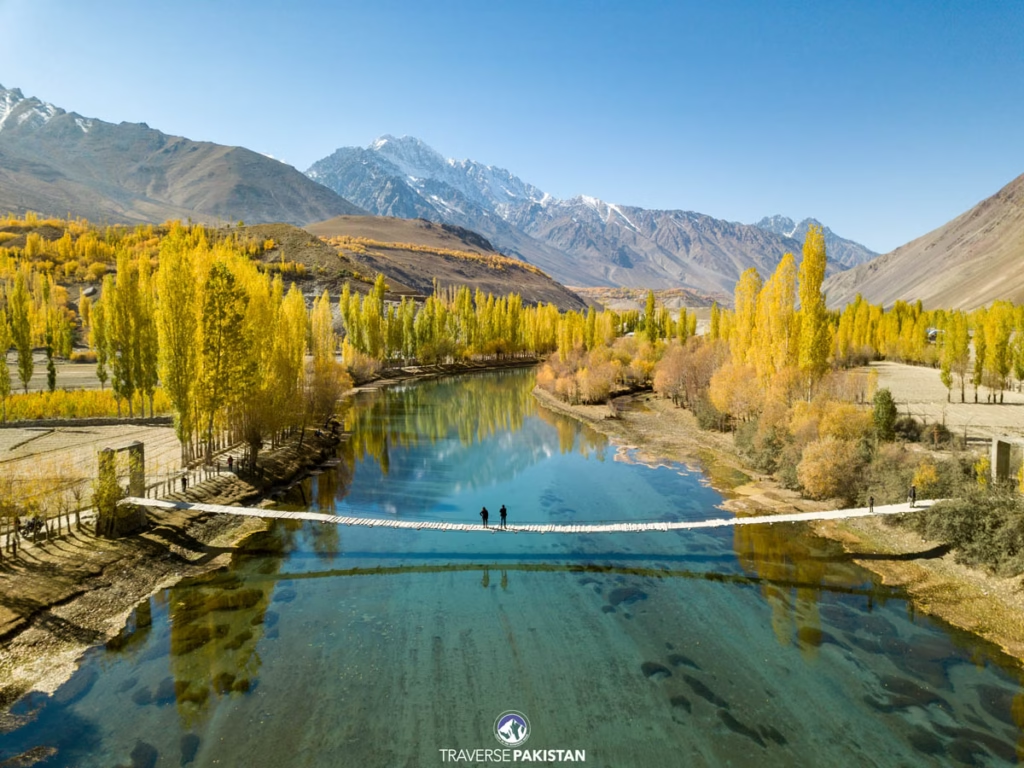
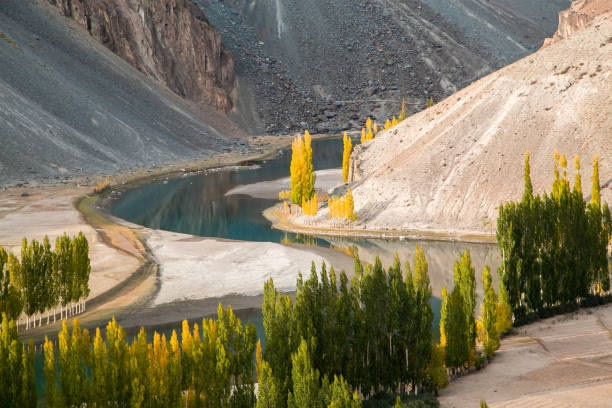
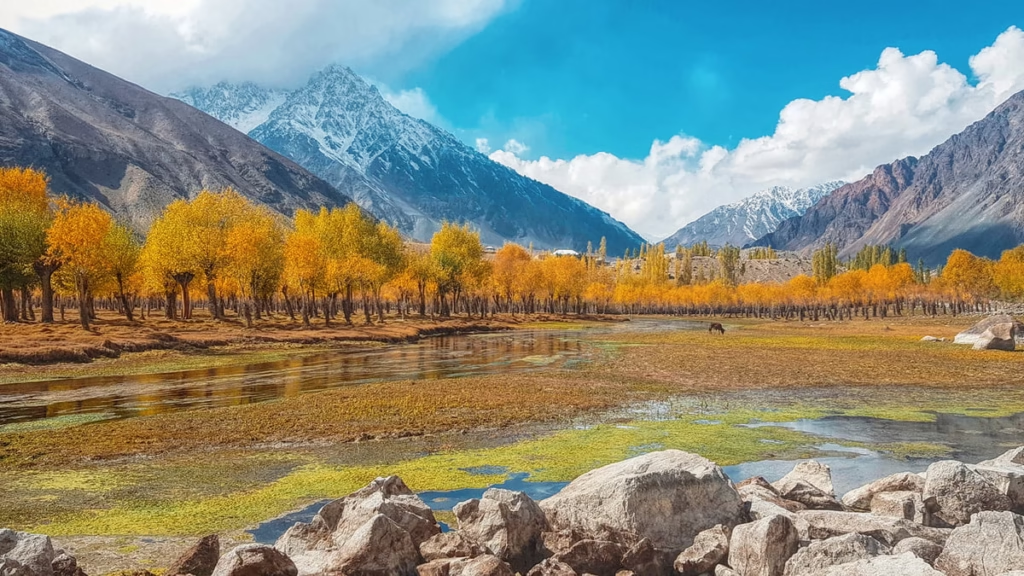
The Skardu basin is larger and more dramatic than Hunza — a broad valley approximately 30km wide and 25km long, bordered by 6,000–8,000 meter peaks on all sides. The Indus River winds through it in wide meanders. In autumn, the poplar trees that line every water channel, every settlement boundary, and every field path turn a vivid, luminous yellow-gold that stands out even from great distances against the reddish-brown desert floor.
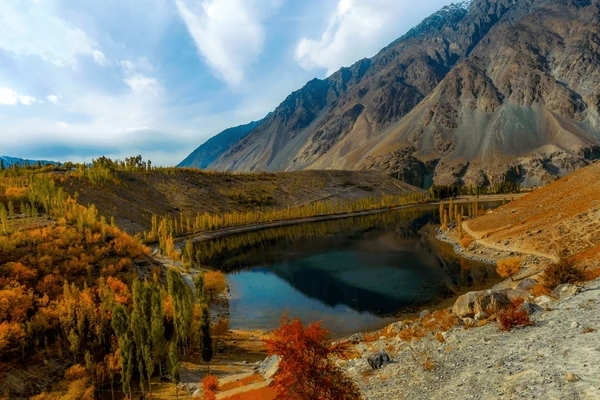
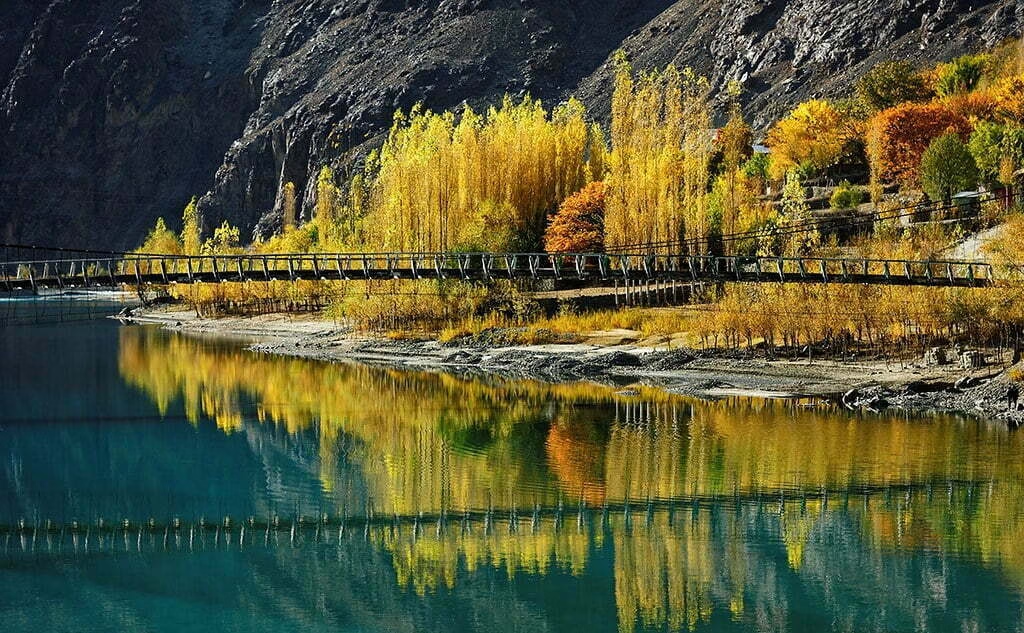
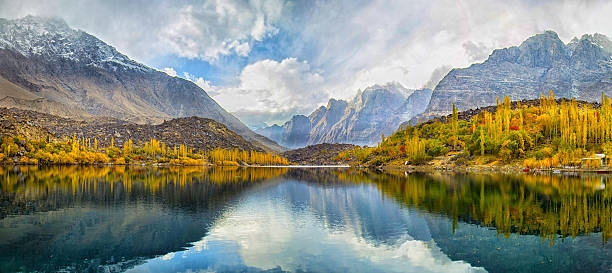
Upper Kachura Lake (Shangrila Lake), 18km from Skardu city, is the valley’s premier autumn photography spot. The lake sits in a bowl of golden poplar trees, its surface reflecting both the trees and the mountain peaks above. On still mornings — which are common in October — the reflections are perfect mirror images. This is one of the most photographed spots in all of Pakistan and it fully deserves the attention.
The contrast that makes Skardu autumn unique: nowhere else in Pakistan do you see glacially carved desert landscape alongside poplar-gold autumn color alongside 8,000-meter peaks simultaneously. The combination is surreal.
3. Nagar Valley — Less Visited, Equally Stunning
Nagar Valley sits directly across the Hunza River from the Hunza Valley proper, separated only by the river gorge. Despite this proximity, it receives perhaps 10% of the tourist traffic that the Hunza side sees. Its autumn — which peaks 7–10 days later than Karimabad due to slightly different orientation and altitude — is equally beautiful.
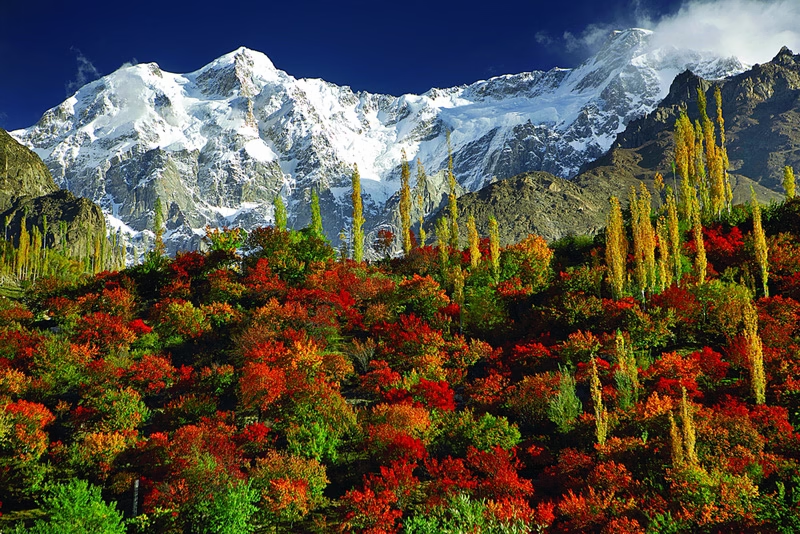
The Nagar Valley’s dominant visual element is Rakaposhi (7,788m) — its massive Shining Wall visible from most of the valley. In autumn, golden apricot trees in the foreground with Rakaposhi’s snow-white wall behind creates compositions that are more intimate and less crowded than anything available in Karimabad. The villages of Nilt, Nomal, and Minapin are particularly beautiful in October.


4. Shigar Valley, Skardu — Architecture and Autumn Combined
The Shigar Valley, named for its apricot trees (the name derives from an old local word for apricot), is 30km from Skardu and is defined by the combination of heritage architecture — Shigar Fort, centuries-old mosques, traditional stone villages — and extraordinary autumn orchards. The valley is relatively narrow, which means the mountains feel closer and the foliage more enclosed than in the open Skardu basin.
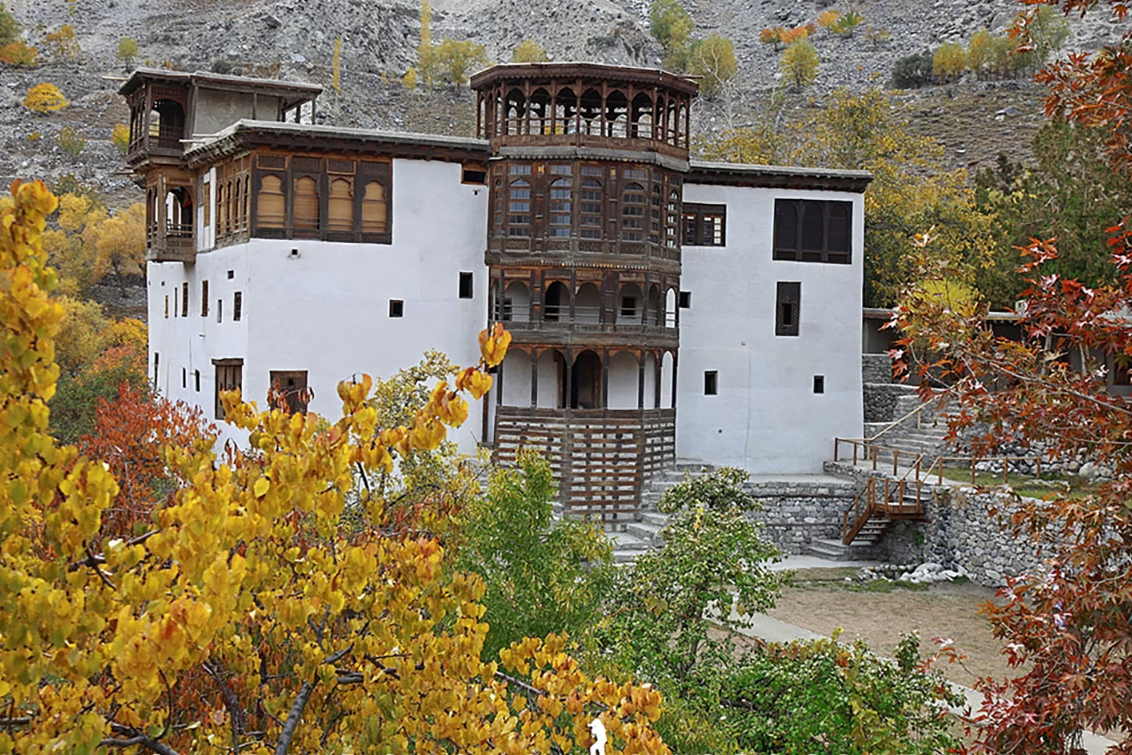
Shigar Fort itself, a 400-year-old heritage hotel surrounded by ancient apricot trees, provides a unique subject: genuine historical architecture integrated into an autumn landscape. The carved wooden balconies and stone walls of the fort set against the gold of the surrounding trees is a composition found nowhere else in Pakistan.
5. Basho Valley — The Photographer’s Secret
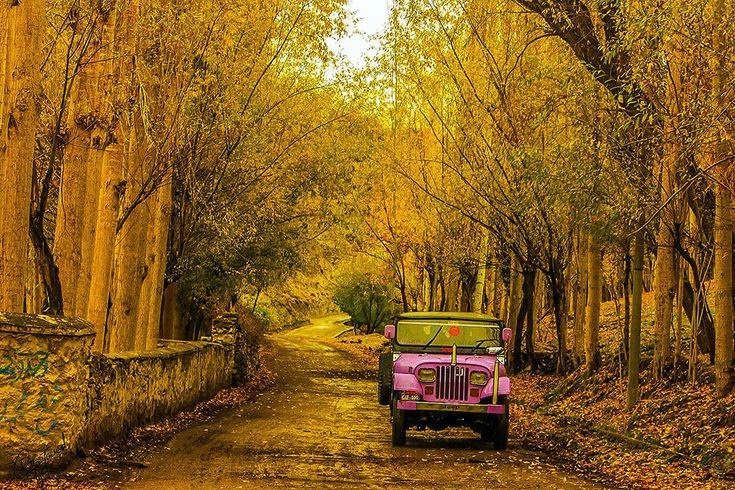
Basho Valley, accessible from the Skardu-Khaplu road, is almost unknown to international tourists but held in high regard among serious Pakistani landscape photographers. A hanging valley accessible by rough 4WD track (requiring a skilled local driver), it sits above the main valley floor at higher altitude, giving it spectacular views across to the Karakoram peaks. The combination of dense mountain forests in autumn color, mountain meadows, and no other tourists makes Basho one of the most rewarding photography destinations in the region for those willing to make the effort.

Photography Tips — Technical and Practical
Camera and Lens
- Wide-angle (14–24mm or 16–35mm): For valley panoramas from Duikar and similar high viewpoints. Essential for capturing the full scale.
- Standard zoom (24–70mm): Versatile for village scenes, orchard details, and people in landscape.
- Telephoto (100–400mm): For isolating individual trees or sections of mountain faces; for compressing the relationship between foreground color and background peaks.
- Polarizing filter: Absolutely essential. Deepens blue sky dramatically, reduces glare on water surfaces, increases color saturation in foliage.
- Graduated ND filter: Useful for balancing bright sky against darker valley floor in morning and evening shots.
Timing and Light
- Sunrise: Most reliable clear sky. The low angle of October sun creates long shadows and warm golden light. Shoot valley panoramas from high points like Duikar.
- Mid-morning (8–10 AM): Good light for orchard and village scenes. Sky still deep blue; frost often visible.
- Afternoon clouds: Afternoon cloud buildup is common in October. If you miss morning light, wait for golden hour.
- Sunset: Alpenglow on the mountain peaks above. Position yourself with the valley in front and mountains behind.
Practical Tips
- October is peak tourist season in Hunza — book accommodation 2–3 months in advance.
- A local guide/driver is valuable: they know which orchards are most photogenic, which village paths are accessible, and which viewpoints are currently being used by other photographers.
- Cold nights: October nights drop to -5°C or lower. Bring a proper down sleeping bag if camping.
- Drone: Aerial autumn footage of Hunza Valley is extraordinary. Pakistan allows drones in most of GB with advance registration. Check current requirements.