Alina Alam
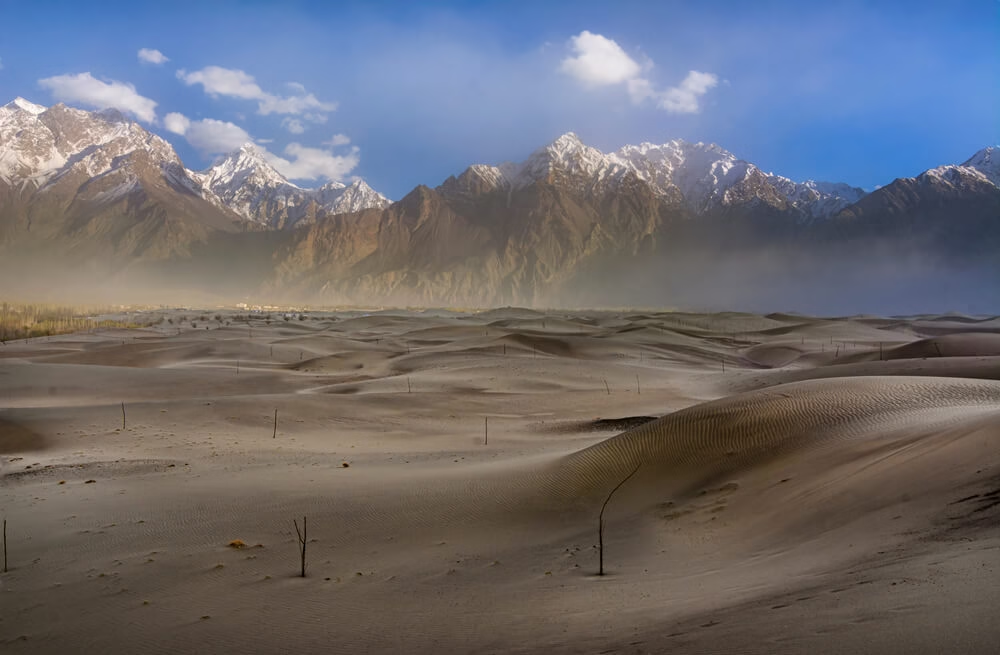
Twenty-five kilometers outside Skardu city, the road drops off the edge of the Shigar Valley and something strange happens: the mountains don’t stop, but the ground turns to sand. White dunes roll out toward the Indus River. Snow-capped Karakoram peaks sit directly behind them. At 2,226 meters above sea level, this is the highest cold desert on Earth and most visitors to Skardu still don’t know it exists.
It goes by two names Sarfaranga and Katpana and the overlap causes more confusion online than it should. This guide clears that up, plus everything you need to actually plan a visit: how to get there, when to go, what the Jeep Rally is, and why locals camp here under some of the darkest skies in Pakistan.
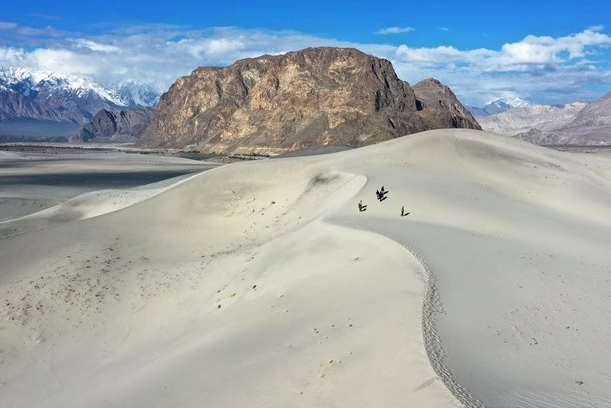
Sarfaranga vs Katpana Desert: What’s the Difference?
They’re often used interchangeably, but they’re not quite the same place.
- Katpana Desert is the smaller, closer stretch of dunes near Katpana Lake, about 4 km from central Skardu, close to Skardu International Airport. Locally it’s called Biang-a Naqpo (“black sand”).
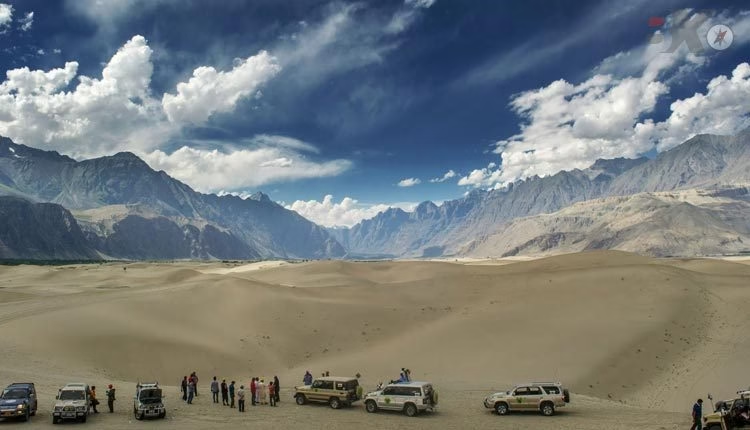
- Sarfaranga Desert is the larger, more remote expanse about 25–30 km from Skardu, at the point where the Shigar River meets the Indus. This is where the annual Jeep Rally is held.
Geologically they’re part of the same cold-desert system, technically stretching from Khaplu Valley toward Nubra in Ladakh but for trip planning, treat them as two separate stops with two different vibes: Katpana for a quick sunset detour, Sarfaranga for a full afternoon or an overnight camp.
How to Get There
Both sites are reached from Skardu city by jeep or private taxi a 4×4 isn’t strictly required for Katpana, but it makes the sand-track sections of Sarfaranga much easier.
- From Skardu city to Katpana Desert: roughly 15–20 minutes, paved road most of the way.
- From Skardu city to Sarfaranga Desert: roughly 30–45 minutes along the scenic Shigar road, following the Indus.
- From Skardu Airport: Katpana is close enough for a same-day stop right after landing, before you even check into your hotel.
Most travelers combine a Sarfaranga visit with a day trip to Shigar Fort, since the desert sits at the mouth of Shigar Valley it’s an easy loop rather than a separate excursion.
Best Time to Visit
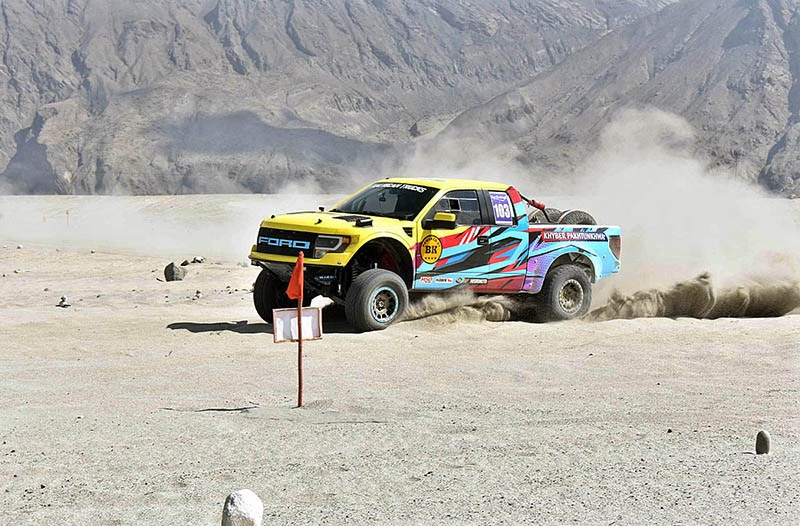
- June to September: The main season. Roads are fully open, days are warm, and this is when the Sarfaranga Desert Jeep Rally takes place now considered the second-largest motorsport rally in Pakistan after Cholistan. If you want to catch it, check exact 2026 dates closer to summer, as they shift year to year.
- April–May and October: Milder temperatures, far fewer visitors, and still-clear skies. A good window if you want the dunes without the rally crowds.
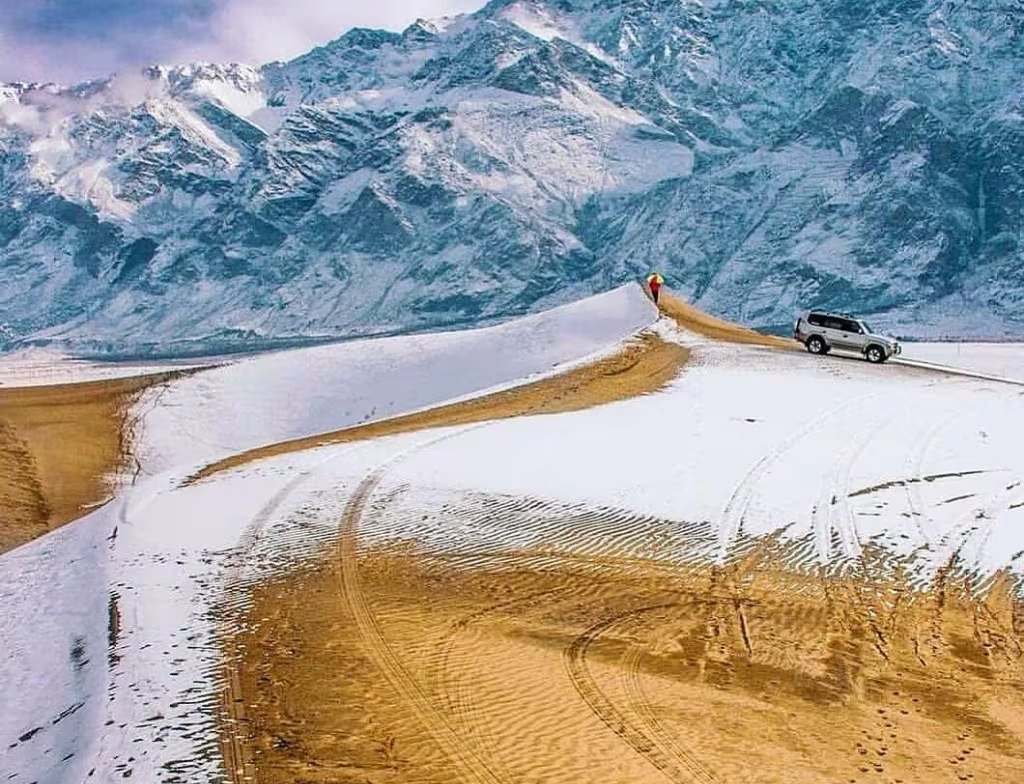
- Winter (Nov–Feb): The dunes take on a surreal look with a dusting of snow over sand, but temperatures can drop below -17°C at night. Only for well-prepared travelers with local transport arranged in advance.
What to Do There
Climb the dunes. The sand is soft and the ridgelines give you a clean view over the Indus on one side and the Karakoram wall on the other it’s the single best photo you’ll get in Skardu that doesn’t involve a fort.
Go glamping. Several operators set up desert camps in-season with proper tents, bonfires, and dinner (trout and yak are local specialties). Falling asleep on sand at 7,300 feet, with a mountain silhouette outside the tent, is not something most Pakistan itineraries include.
Watch the Jeep Rally. If your dates line up with the rally, it’s worth the detour even if you’re not into motorsport the mix of soft sand, gravel, and river crossings draws off-road drivers from across the country, plus local food and music stalls.
Stargazing. With almost no light pollution and dry high-altitude air, Sarfaranga is one of the better Milky Way viewing spots in Gilgit-Baltistan. Bring a tripod if you shoot photos a 15–20 second exposure at a wide aperture is usually enough.
Sunset over the dunes. Golden hour turns the white sand orange-pink against the still-snowy peaks behind it. This is the shot most Instagram posts of Skardu are missing.
Practical Details
| Entry fee | Usually free or a nominal local charge; no formal ticketing |
| Permits | None required it’s an open tourism area, unlike some restricted trekking zones further north |
| Getting around | Hire a jeep in Skardu city; walking in from the main road is possible at Katpana but not practical at Sarfaranga |
| What to pack | Sunglasses and a hat (glare off the sand is intense), a light jacket for evening wind, water, sunscreen, and a headlamp if you’re staying for stargazing |
| Facilities | Minimal to none outside organized camps bring your own water and snacks |
Frequently Asked Questions
No. Katpana is the smaller area near Skardu Airport; Sarfaranga is the larger, more remote desert about 25 km further out, where the Jeep Rally is held. Both are part of the same high-altitude cold-desert system.
Around 25–30 km, roughly a 30–45 minute drive by jeep or taxi.
Yes, in most cases there’s no formal entry fee, though camping and glamping packages are paid separately.
June to September for full access and the Jeep Rally; April–May or October for quieter, milder trips.
Yes several local operators run seasonal glamping setups at Sarfaranga, especially during rally season.
Where to Go Next
If Sarfaranga is your first stop in Baltistan, pair it with the rest of the region:
- Skardu Travel Guide 2026 — the full city and region overview
- Kharphocho Fort Skardu — the historic fort overlooking Skardu Valley, a short drive from the desert
- Deosai National Park — the plateau landscape that makes Baltistan feel otherworldly on the other end
- Autumn Photography in Gilgit-Baltistan — more angles and timing tips if photography is your main goal