Farhan Faqir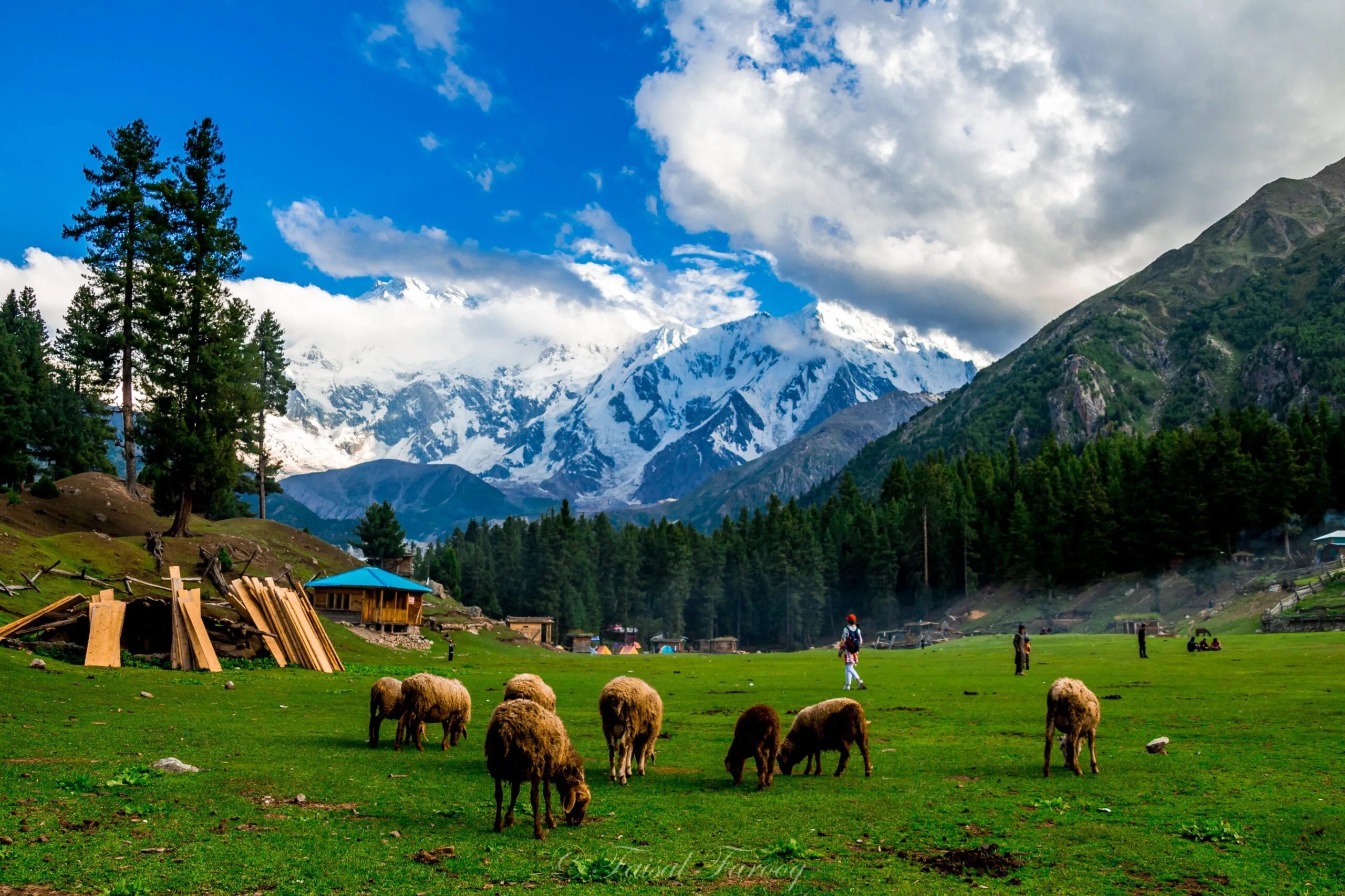
Summer — The Season That Defines GB for Most Visitors
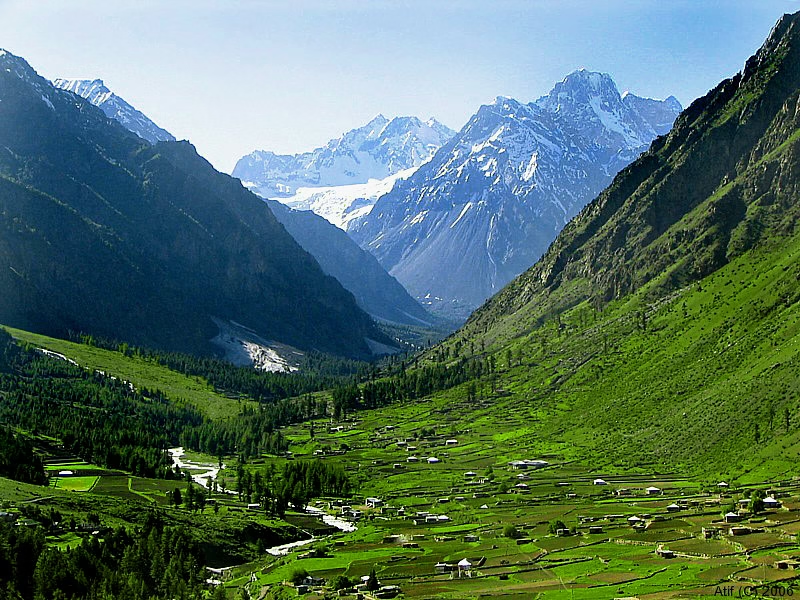
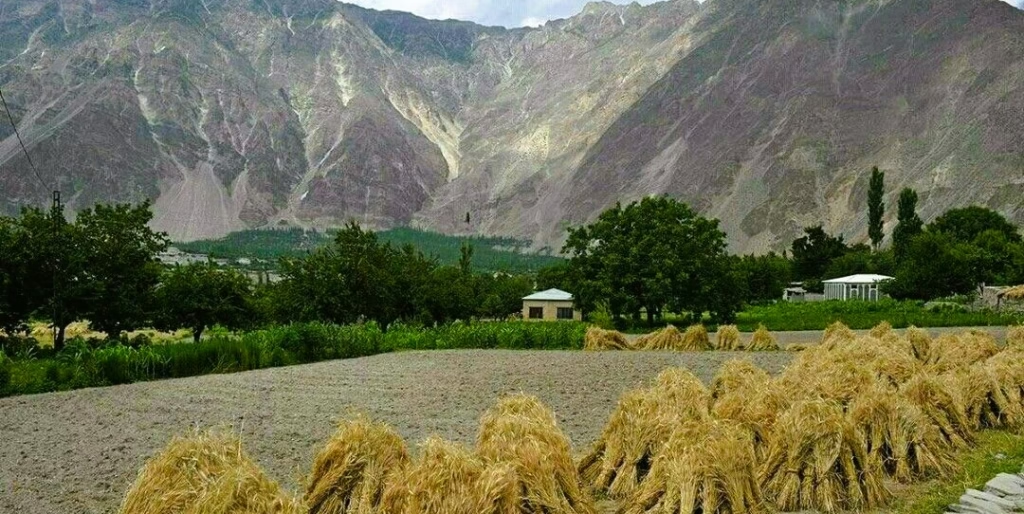
Summer in Gilgit-Baltistan — June through September — is when the region is at its most accessible and most visited. The Khunjerab Pass opens, the high-altitude trekking routes become snow-free, the expeditions to K2 and other eight-thousanders are underway, the fruit harvest unfolds in sequence through July and August, and the landscape is at its greenest and most lush.
For most visitors, this is the only season they consider for a GB trip. This is understandable: summer offers the greatest range of activities, the most reliable road access, the most accommodation and food options, and the longest windows of clear mountain weather. But summer also means the most tourists, the highest prices, and the early-morning crowds at the most famous viewpoints. Understanding what summer specifically offers — and what the trade-offs are — allows you to plan a better trip.
What Opens in Summer
| What | When it Opens | Notes |
| Khunjerab Pass (China border) | May 1 | Open until November 30; foreign nationals check permit requirements |
| K2 Base Camp trek (Baltoro) | Mid-June | Snow on glacier makes earlier access difficult; July–August optimal |
| Nanga Parbat Fairy Meadows | Early May | Path to Tato village opens; snow may remain on upper meadow into May |
| Rakaposhi Base Camp trek | Mid-May | Lower trail open earlier; upper sections clear by June |
| Deosai National Park | Late June | Road from Skardu fully accessible; July–September best for wildflowers and bear sightings |
| Gondogoro La trek | Late June | High passes require prior snow conditions |
| Most valley roads in GB | April–May depending on altitude | Lower roads open earlier; side roads to remote valleys may need confirmation |
The Fruit Calendar — Summer’s Hidden Pleasure
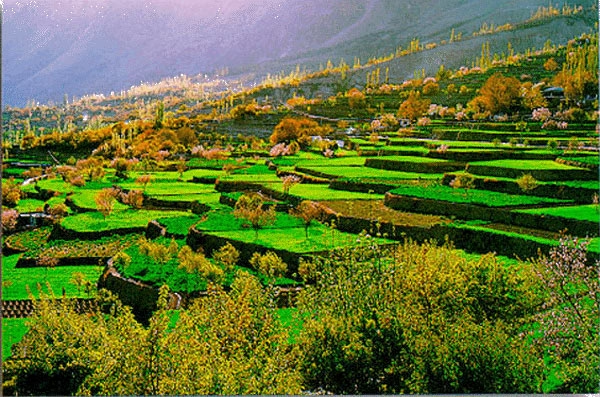
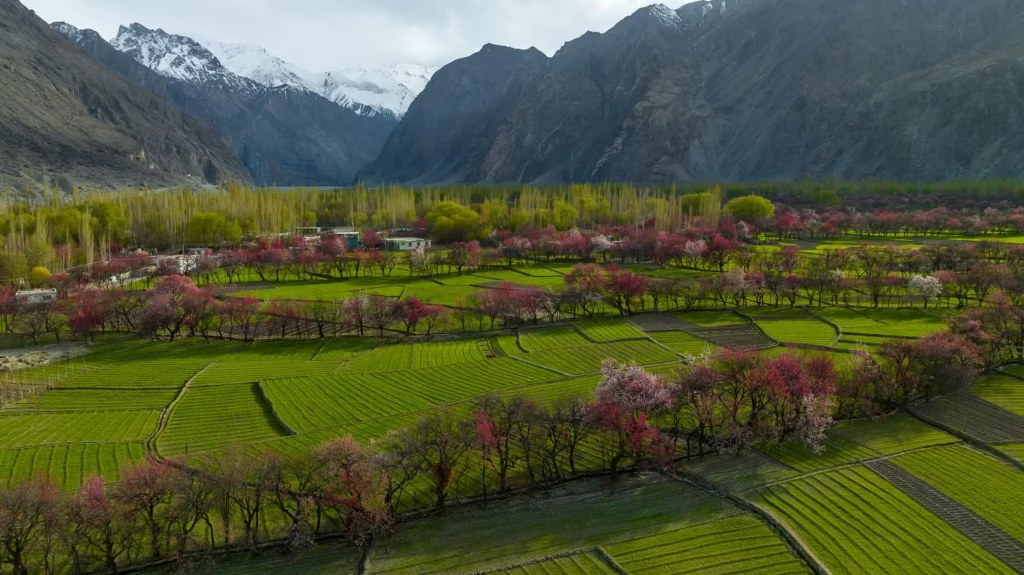
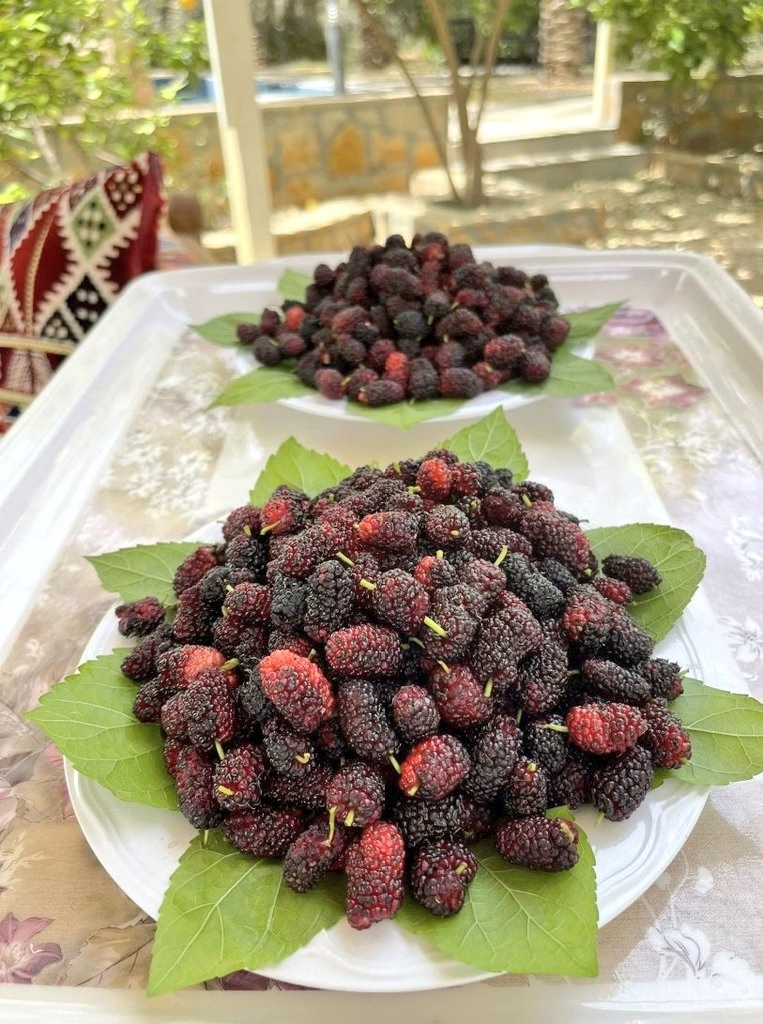
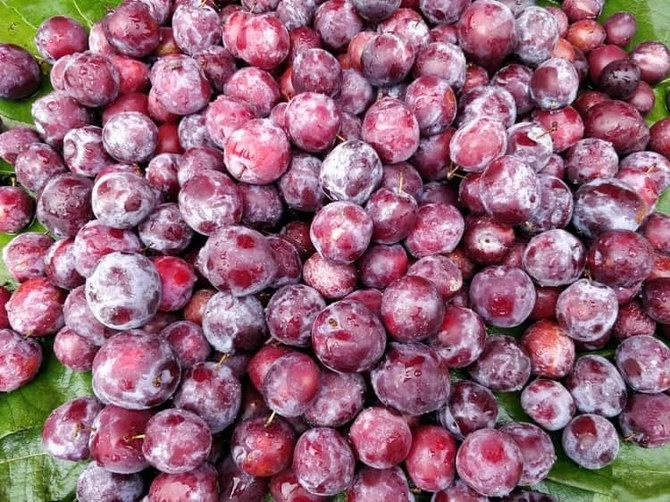
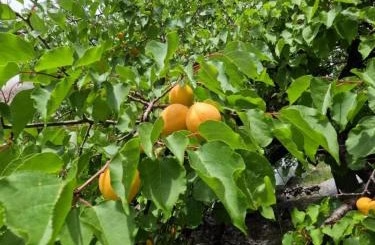
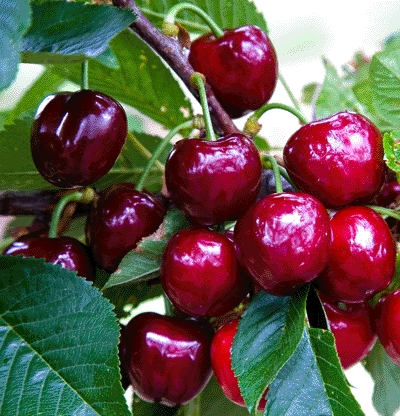
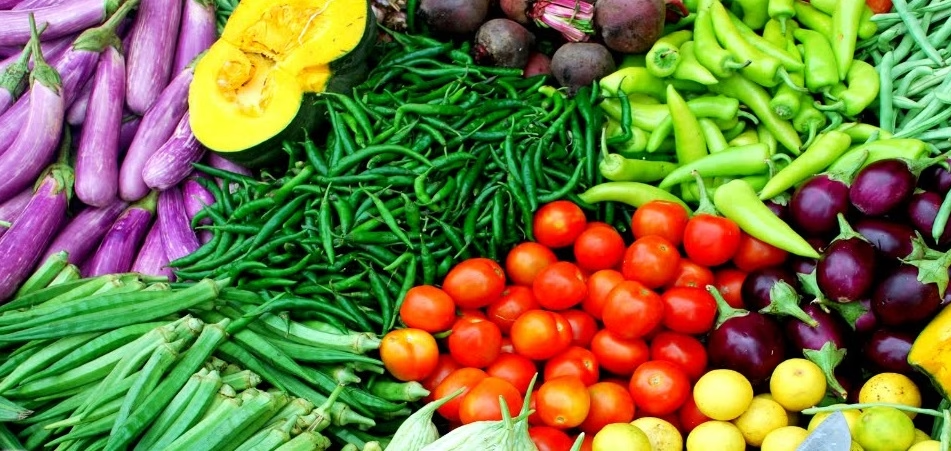
Summer in Hunza and Skardu is not just about mountains. The sequential fruit harvest, from June through September, is one of the great pleasures of a summer visit — and almost entirely unknown to visitors who do not specifically seek it out.
| Month | Fruit | Location |
| June–early July | Cherries (multiple varieties) | Hunza Valley; Skardu district |
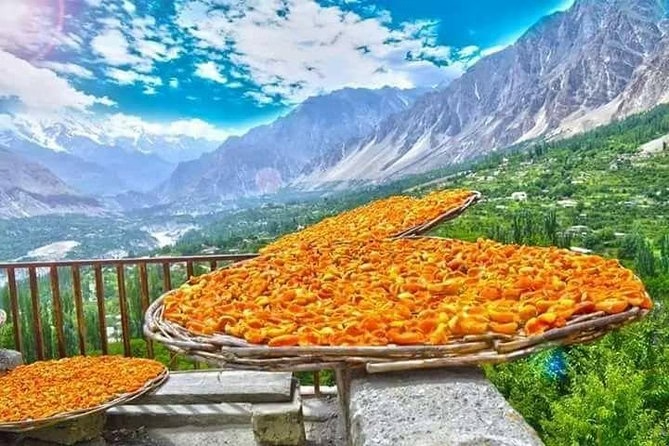
| July–early August | Apricots (Halman, Sher Bakhti, and other varieties) | Hunza, Skardu, Nagar — the primary harvest |
| July–August | Mulberries (white and black) | Throughout GB; eaten fresh; also dried and used in bread |
| August–September | Walnuts (fresh) | Throughout GB; fresh walnuts in September are extraordinary |
| August–September | Apples (mountain varieties) | Higher valleys; crisp, intensely flavored local cultivars |
| September–October | Dried apricot harvest complete | Rooftops covered with drying fruit throughout the region |
Deosai National Park — A Summer-Only Wonder
Deosai, at an average elevation of 4,114 meters (13,497 feet), is the world’s second highest plateau (after the Tibetan Plateau). A vast rolling landscape of alpine meadows, braided rivers, wildflowers, and extreme solitude, Deosai is accessible only in summer — typically late June through September — when the road from Skardu can be cleared of snow.
The park spans approximately 3,352 square kilometers and is one of Pakistan’s most important wildlife sanctuaries. It is the primary breeding habitat of the Himalayan brown bear in Pakistan — an estimated 40–50 bears use the plateau seasonally. The park also hosts wolves, Tibetan foxes, golden marmots, dozens of migratory bird species, and the occasional snow leopard in the transition zones.
The wildflowers of Deosai in July and August are extraordinary: hundreds of species bloom simultaneously across the open plateau, creating a carpet of color that extends to the horizon. The sky above 4,000m is a deeper blue than anything at lower altitude. The sense of space — standing on a flat plateau the size of a small country with no building, no road, no person in sight — is unlike anything available in the more touristed parts of GB.
Day trips to Deosai from Skardu take approximately 3–4 hours one way on a rough road. Overnight camping with prior permission from the Deosai National Park Authority is also possible and is recommended for a full experience of the plateau at dawn and dusk.
Summer Weather — The Reality
Summer weather in GB is better than any other season for most purposes — but it is not without challenges. Several patterns are worth knowing:
- Afternoon cloud buildup: In July and August, mornings are typically clear and sunny in the main valleys. By 1–2 PM, clouds often build on the mountain peaks. By 4–5 PM, views may be obscured. Plan mountain photography for morning.
- Monsoon influence: While GB is in the rain shadow of the Himalayas and does not experience the monsoon as KPK and Punjab do, some moisture from the monsoon does reach the region. July–August can bring occasional afternoon thunderstorms, particularly in the Skardu area.
- River levels: Glacial rivers are at their highest in July–August when glacier melt peaks. River crossings on treks can be more dangerous than in June or September. Some trekking routes are closed in peak summer due to high water.
- Landslides: The KKH is subject to landslide closures, particularly after rain. Build flexibility into your itinerary; a day’s delay for a landslide clearance is not unusual.
- Heat in lower valleys: Gilgit city and Skardu city can reach 35–40°C in July. At altitude, temperatures are much cooler. Plan accordingly.
Planning Tips for Summer
- Book accommodation in Hunza 2–3 months in advance for July–August. Hotels fill up completely.
- The summer domestic tourist season peaks during Pakistani school holidays (late July through August). If you can visit in June or September, you will have more space and lower prices.
- Khunjerab Pass visit: if you want to go to the Pass and back as a day trip from Karimabad, start early (6–7 AM). The road is busy in July–August and afternoon clouds reduce the view.
Trout fishing license: Required in most GB streams; available from the fisheries department in Gilgit or Skardu for approximately Rs 500–1,000 per day.