
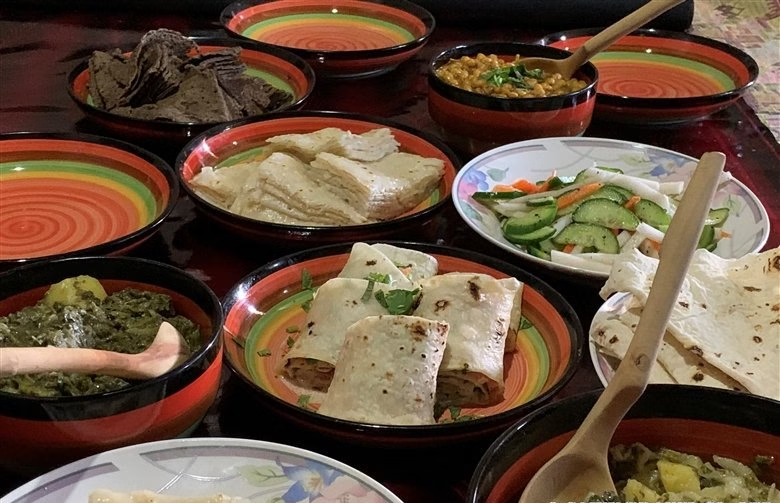
The Hunza Valley, often called the “Heaven on Earth,” captures hearts not only with its stunning mountain scenery but also with its pure and wholesome food traditions. Hunza cuisine celebrates simplicity, balance, and wellness—free from heavy spices or oily curries. Locals rely on organic, nutrient-rich ingredients grown in their backyards, including grains, dairy, and the valley’s famous apricots.
Each dish tells a story of harmony with nature and a way of life rooted in health and longevity. Ready to taste the culture of the mountains? Let’s dive into Hunza Valley’s most loved traditional foods—each bite a reflection of centuries of wellness and tradition.
🏔️ Savory & Hearty Hunza Classics
Hunza’s cold climate and high-altitude lifestyle demand meals full of energy and warmth. These hearty classics form the foundation of the local diet.
1. Chapshuro (The Hunza Pie)
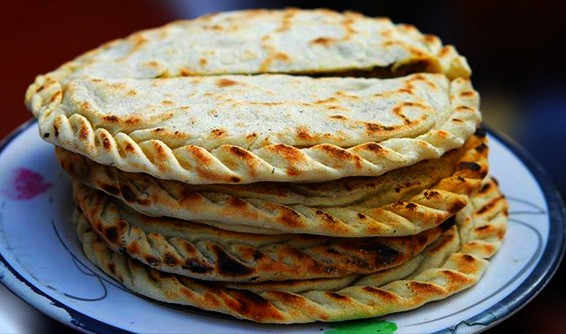
Chapshuro, often called “Hunza Pizza,” is one of the most famous local dishes of the valley. It looks a bit like a taco or quesadilla rather than an Italian pizza — a half-moon-shaped bread stuffed with minced beef, mutton, or traditional yak meat. The filling is mixed with chopped onions, coriander, chilies, and tomatoes, then sealed inside soft dough and baked in a traditional oven until golden and aromatic.
If you’re visiting Hunza, you can enjoy an authentic Chapshuro at Hunza Food Pavilion in Karimabad or Cafe de Hunza, both known for serving traditional recipes with a scenic view of the valley. In Ganish Village, small roadside stalls also sell freshly baked Chapshuro, giving you a more local, rustic experience.
2. Harissa (The Celebration Stew)
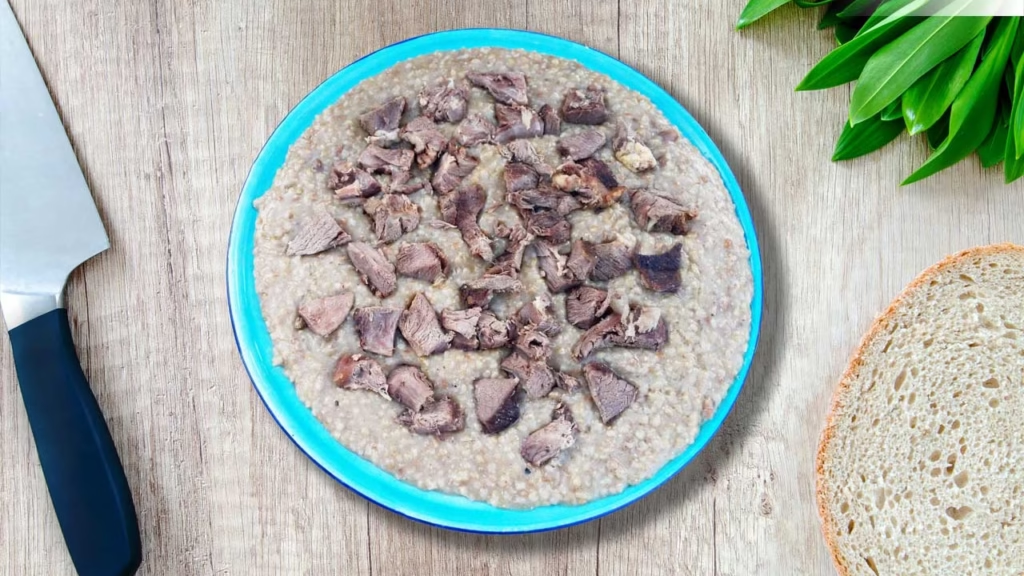
Harissa brings people together during festivals and celebrations. This hearty dish combines wheat with chunks of mutton or beef, cooked slowly over an open fire.
How to Make Harissa: Cooks fill a large cauldron with fat and meat, stirring the mixture for hours to prevent it from drying. Once the meat softens, they remove it and add washed, dried wheat grains to the remaining broth and fat. After hours of cooking, the thick, grainy mixture is served with chunks of boiled meat — a true labor of love that takes an entire day.
If you want to taste authentic Hunza-style Harissa, visit Hidden Paradise Restaurant in Karimabad or Mountain Story Café in Aliabad, where locals prepare it during the winter season. Some village guesthouses also serve homemade Harissa on request, especially during festivals like Ginani (the wheat harvest celebration).
3. Dawdo (Warming Noodle Soup)
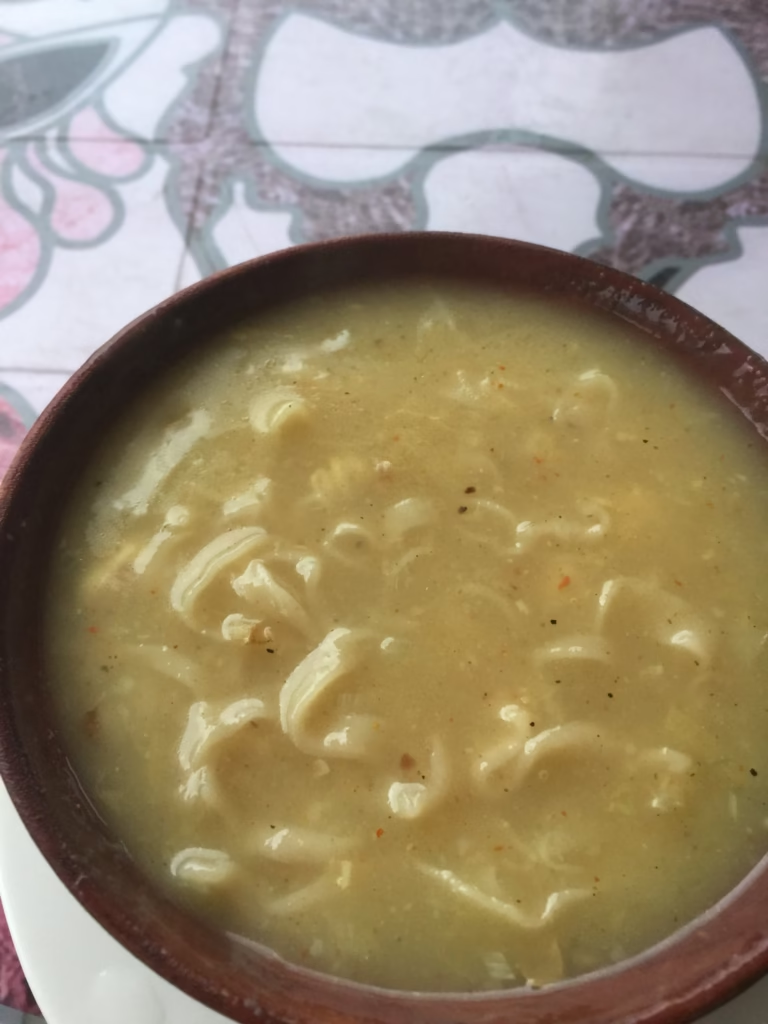
Daudoo is a comforting noodle soup perfect for chilly mountain days. It features handmade wheat noodles, mutton or chicken, and vegetables like cabbage, spinach, and bell peppers. Simmered in a light, spiced broth, Daudoo restores warmth and strength — a true staple in the high-altitude cafés of Hunza.
If you’d like to enjoy a bowl of authentic Daudoo, head to Hunza Food Pavilion in Karimabad or Cafe de Hunza, where it’s often served fresh with local bread and herbal tea. Some homestays in Ganish and Altit also offer homemade Daudoo during the colder months.
4. Qurut Zay Dawdo (Sour Cheese Soup)
Qurut Zay Dawdo, Hunza’s traditional sour cheese soup, perfectly balances flavor and texture. Locals enjoy it especially during cold winters or while recovering from illness, as it soothes colds and flu.
How to Make Qurut Zay Dawdo: Fry onions in oil, add tomatoes, ginger-garlic paste, and meat cubes. Season with salt, turmeric, and garam masala. Once the meat softens, pour in broth and add sour cheese paste (Qurut). Mix in homemade pasta and cook until tender. Serve piping hot for instant comfort.
You can savor this hearty soup at Hidden Paradise Restaurant in Karimabad or Mountain Story Café in Aliabad — both serve authentic versions made with locally sourced Qurut. For a truly traditional taste, try it at a family-run guesthouse where locals prepare it fresh over wood-fired stoves.
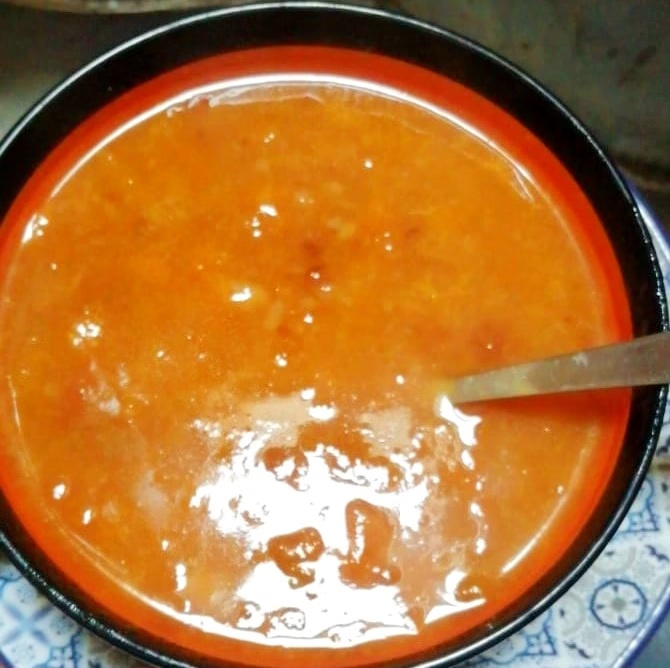
5. Battering Dawdo (Dried Apricot Soup)
When snow covers Hunza, locals turn to Battering Dawdo—a sweet-and-sour apricot soup that warms both body and soul. “Battering” means dried apricot in Burushaski, the local language. The dish is rich in vitamins and natural sweetness, making it both comforting and nourishing during the long, cold winters.
How to Make Battering Dawdo: Wash dried apricots thoroughly and boil them until they form a thick blend. Separately, mix wheat flour with water to form small dough beads. Add these to the apricot mixture and cook until tender. Locals enjoy this soothing soup on snowy days to ease colds and constipation.
You can try this traditional apricot delight at Café de Hunza in Karimabad or Glacier Breeze Restaurant near Passu. Both are known for serving authentic Hunza desserts and seasonal specialties made with the valley’s famous sun-dried apricots.
6. Hoi lo Garma (The Comforting Greens)
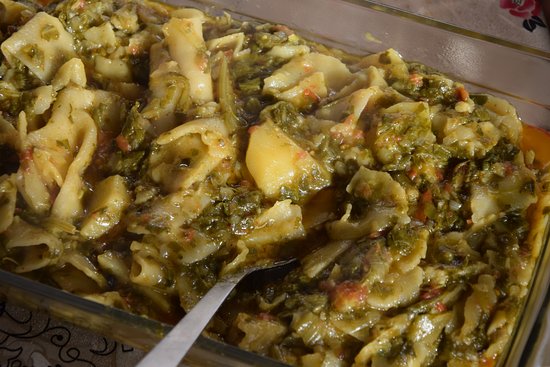
Hoi lo Garma combines homemade pasta with boiled lettuce, creating a rich blend of savory and nutty flavors that truly define Hunza comfort food. It’s a wholesome meal, often prepared during family gatherings or festive occasions, symbolizing simplicity and nourishment.
How to Make Hoi lo Garma: Boil chopped lettuce, drain it, and fry onions until golden. Add lettuce, potatoes, and salt, then pour in water and let it simmer. Roll out thin wheat pasta and layer it with apricot nut paste. Cook on low heat until the pasta softens. Garnish with green onions for a fresh, earthy aroma.
You can enjoy an authentic plate of Hoi lo Garma at The Hunza Food Pavilion by Lal Shazadi in Karimabad or Eagle’s Nest Restaurant, both of which serve traditional Hunza home-style dishes overlooking breathtaking mountain views.
7. Burus Berikuz (The Cheese Pastry)
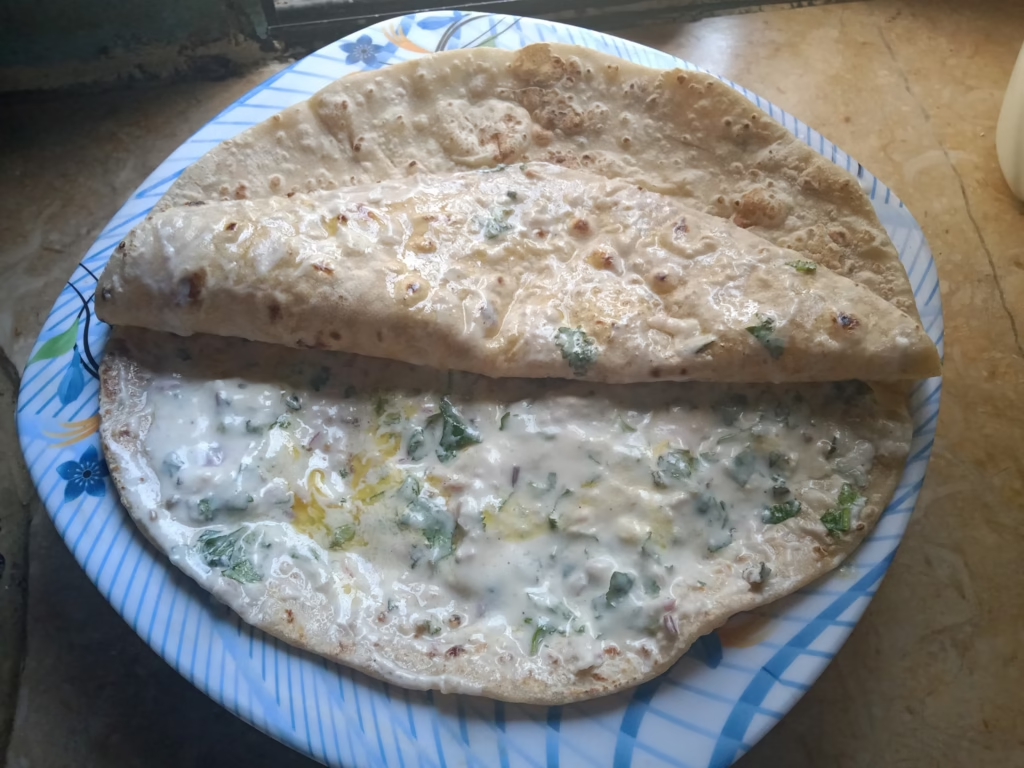
Burus Berikuz showcases Hunza’s love for dairy and their mastery of turning simple ingredients into something extraordinary. Locals make it by stuffing freshly pan-fried wheat chapatis with a flavorful mixture of cottage cheese, yogurt, mint, coriander, and finely chopped onions. Sometimes, they drizzle apricot oil on top to add a delicate nutty aroma and rich texture.
This dish is a symbol of togetherness, traditionally served during celebrations, harvest festivals, and family gatherings. Its creamy, tangy filling pairs perfectly with the crisp outer bread, offering a comforting balance of freshness and warmth.
You can enjoy authentic Burus Berikuz at Café de Hunza ,Baltit Heritage Café in Karimabad or The Hunza Food Pavilion , both are known for serving traditional Hunza flavors with a local touch. Pair it with herbal tea or apricot juice for the full mountain experience.
8. Sharbat (The Celebration Syrup)
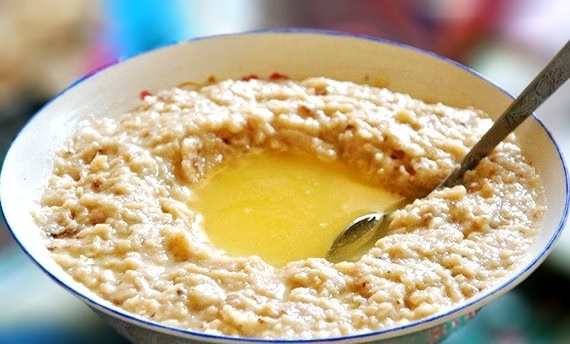
Sharbat is it’s a celebration of unity and prosperity in Hunza Valley. This rich, buttery syrup holds a sacred place at weddings, religious gatherings, and community feasts. The preparation itself is a communal event, where men spend an entire day stirring the mixture over a wood fire, filling the air with its warm, nutty aroma.
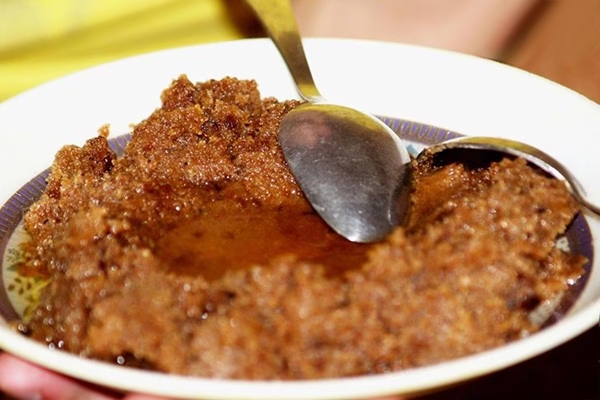
How to Make Sharbat: Melt aged butter until purified, then coarsely grind soaked wheat. Heat the butter, add water, and slowly stir in the ground wheat. As the mixture thickens, a golden layer of butter oil rises to the top — the traditional sign that it’s perfectly cooked. Locals serve Sharbat warm, accompanied by a bowl of clarified butter oil, symbolizing abundance and togetherness.
You can taste authentic Sharbat at Hidden Paradise Café or during local wedding feasts in Ganish Village, where it’s still prepared using age-old recipes passed down through generations.
🌾 Hunza Grains, Breads & Porridges
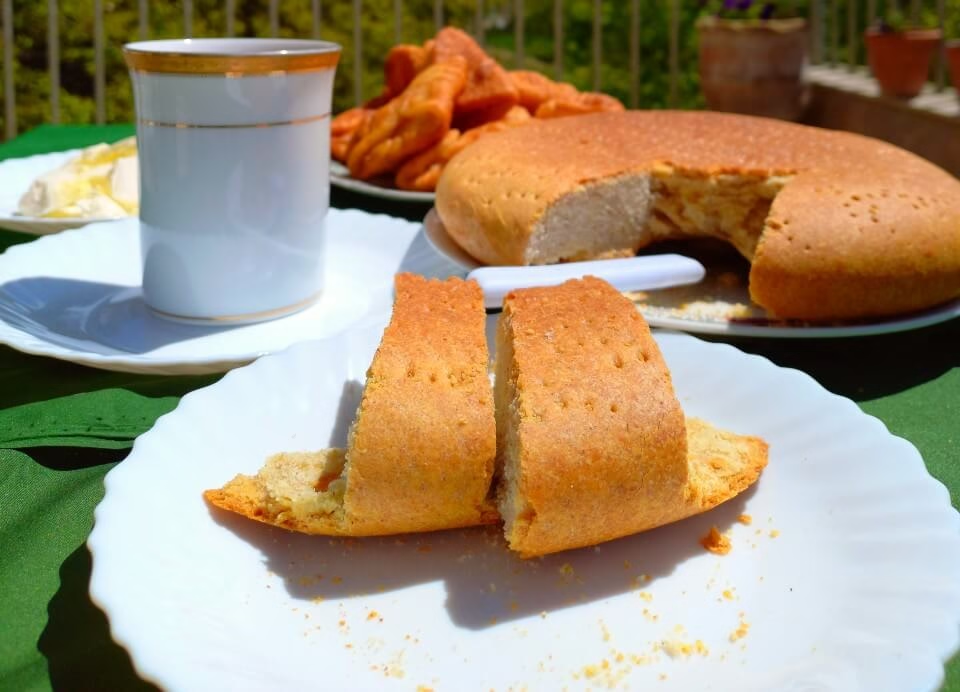
9. Hunza Bread (Fiti / Pitti)
Pitti (also known as Fiti) is a traditional whole wheat bread baked in a bukhari, a small stove used in nearly every Hunza home. This dense, nutritious bread fuels the people of the mountains with long-lasting energy — perfect for the region’s demanding lifestyle.
Locals bake it early each morning and let it harden before eating it throughout the day, pairing it with butter, apricot oil, or herbal tea. More than just food, Pitti reflects Hunza’s spirit of simplicity and self-sufficiency.
You can find it everywhere across Gilgit-Baltistan, as it’s still made daily in homes and small village bakeries ,a comforting staple that truly defines mountain living.
10. Giyal / Goli (The Hunza Pancake)
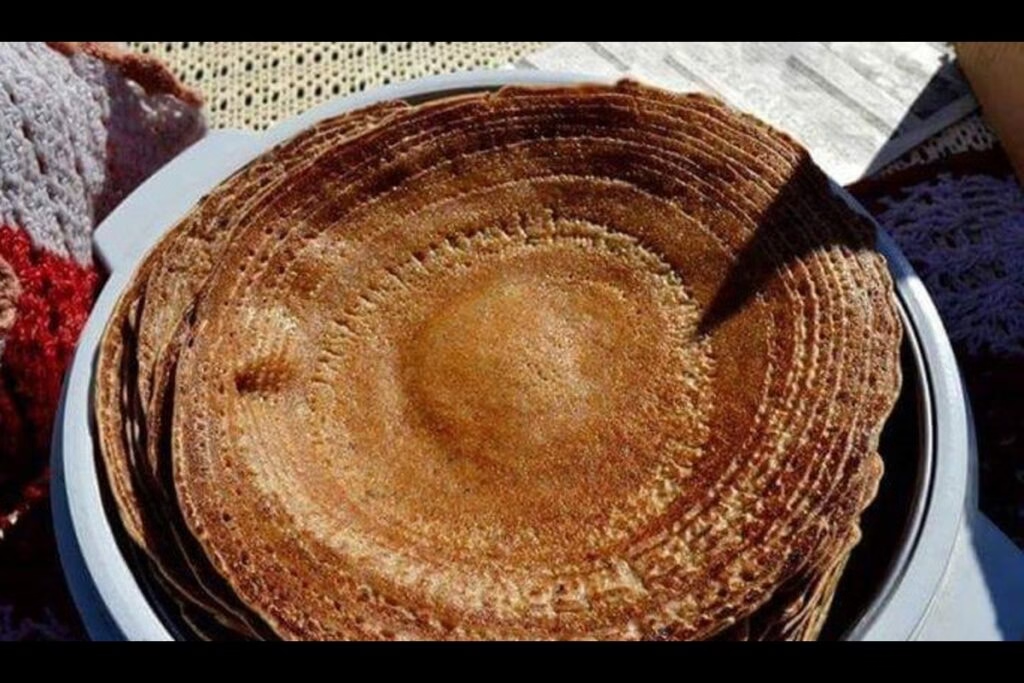
Giyal, also known as Goli, resembles a stack of soft, thin pancakes made from whole wheat flour. Locals dip them in apricot oil or homemade butter and enjoy them for breakfast alongside herbal or salty tea. The dish is simple yet deeply comforting — a daily treat that reflects Hunza’s love for wholesome, energy-giving food.
You can find Giyal served fresh in almost every Hunza household and in small village cafés or guesthouses, especially during the morning hours when the aroma of freshly baked bread fills the crisp mountain air.
11. Mulida (The Sweet Bread Pudding)
Mulida, beloved across Gilgit-Baltistan, turns humble ingredients into a flavorful and hearty feast. It combines yogurt, mint, green onions, salt, and chunks of flatbread, then finishes with a drizzle of walnut or apricot oil for richness.
How to Make Mulida: Warm buttermilk in a pot and add bread chunks, stirring until the mixture thickens. Pour apricot oil into a small puddle in the center before serving. Families traditionally eat it together from one bowl — a heartwarming symbol of unity and togetherness.
You can enjoy authentic Mulida in traditional villages of Hunza, especially at Baltit Heritage Inn (Karimabad), Mulberry Guest House (Altit), or Hidden Paradise Guest House (Ganish) — cozy, family-run stays where locals still prepare it by hand during winter gatherings and cultural celebrations.
🍑 Apricot & Sweet Specialties
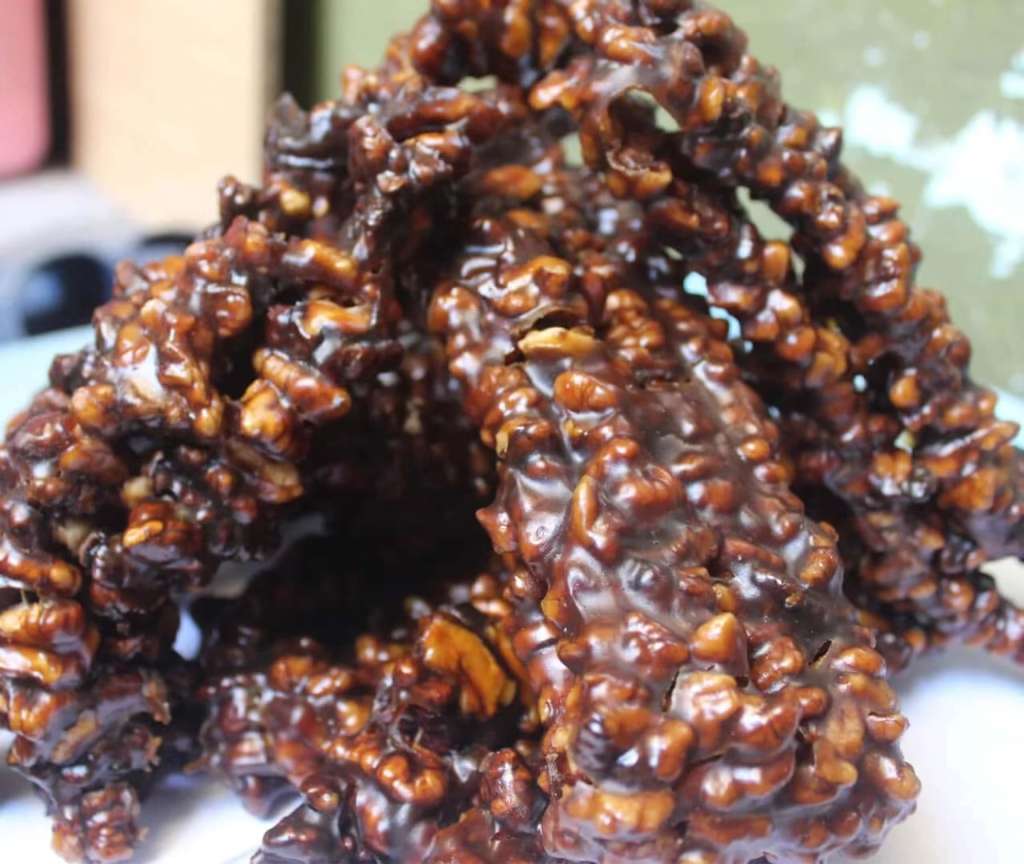
12. Hunza Chocolate (Kilawo)
Kilawo, often known as Hunza Chocolate, is a wholesome dessert made from toasted barley flour, ghee, and honey or sugar. The mixture is slow-cooked until golden brown, creating a nutty, crumbly, and energy-packed treat—perfect for long mountain days or treks through the valleys.
You can find authentic Kilawo at Café de Hunza (Karimabad) or Hunza Food Pavilion (Altit), where locals sell handmade varieties. Many village women’s cooperatives also prepare and sell Kilawo as part of community food stalls and cultural fairs, keeping this centuries-old recipe alive.
13. Hunza Dried Fruits
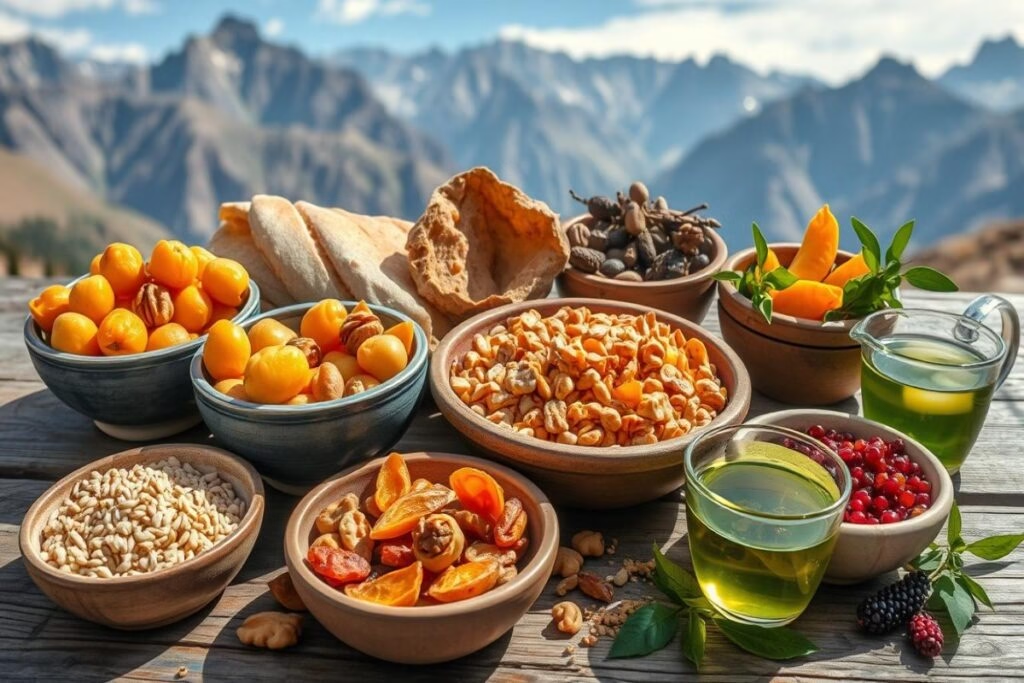
Hunza’s dried apricots are world-famous, known for their natural sweetness and sun-dried purity. Locals carefully dry them under the crisp mountain sun, preserving their nutrients and deep, golden flavor. Alongside apricots, visitors can enjoy walnuts, dried mulberries, and edible apricot seeds, all believed to promote health and longevity.
You can buy the finest dried fruits at Karimabad Bazaar, Altit Fort Heritage Market, or from Hunza Women’s Cooperative stalls, where families sell home-dried fruits packed with authentic Hunza goodness.
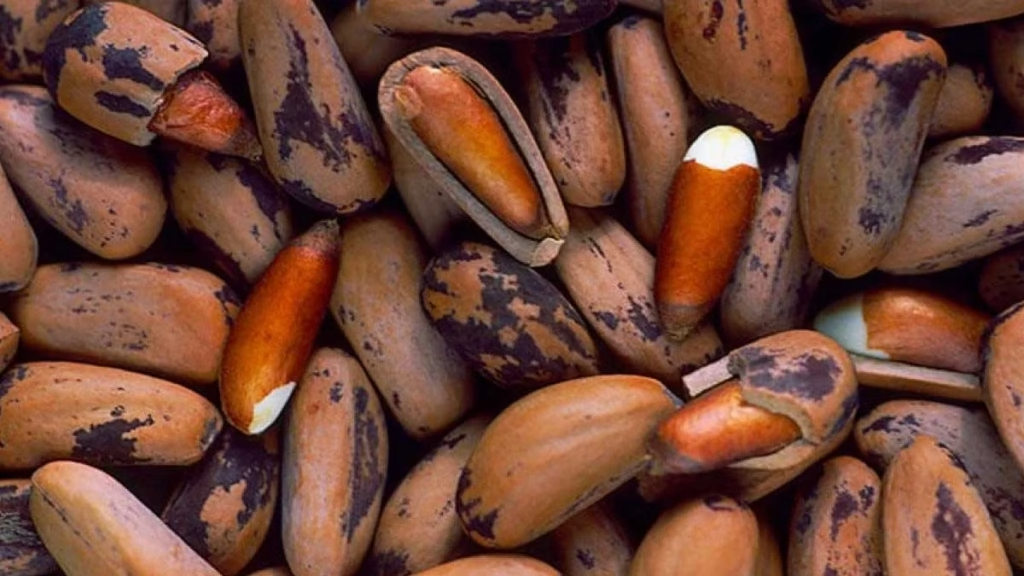
14. Chilghoza (Pine Nuts)
Chilghoza pine nuts are a true luxury in Hunza—small, golden treasures packed with rich, buttery flavor and high nutritional value. Locals often roast them for a warm, nutty snack or mix them into traditional desserts for a touch of indulgence. These pine nuts are also valued as a natural energy booster, especially during the cold mountain winters.
You can find premium Chilghoza in Aliabad markets, Karimabad dry fruit shops, or local stalls near Eagle’s Nest viewpoint, where sellers proudly offer freshly roasted pine nuts from the nearby forests of Gilgit-Baltistan.
15. Walnut Cake / Tart
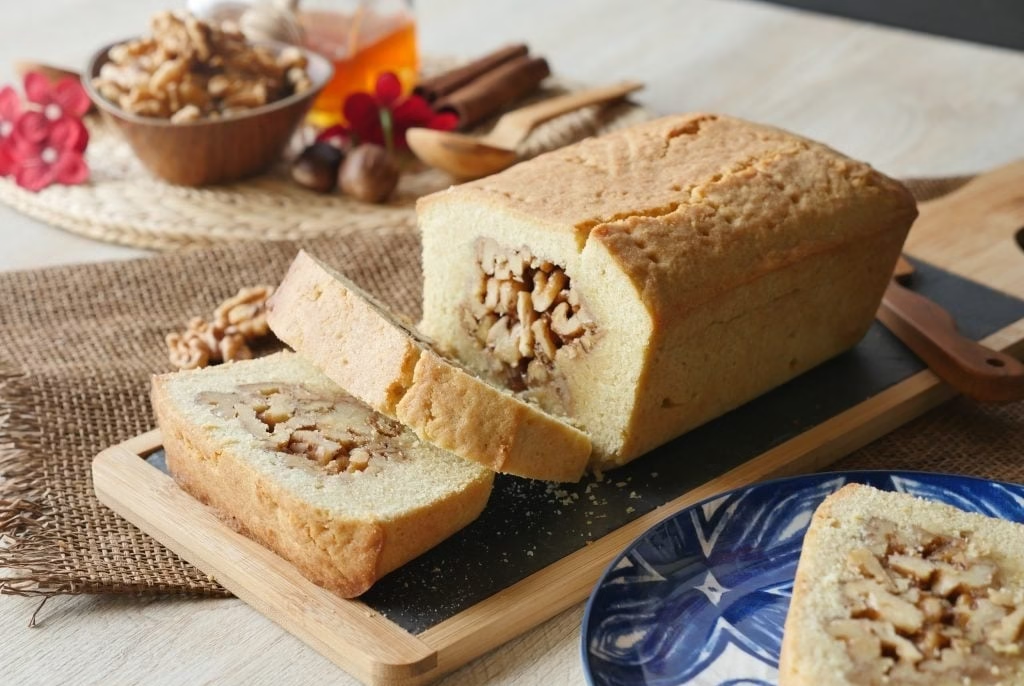
Walnuts, abundant in the orchards of Hunza, bring a wholesome richness to many local desserts. Among the favorites is the Hunza walnut cake or tart—a sweet, comforting treat that combines chopped nuts with butter, eggs, and flour for a moist, nutty flavor that perfectly captures the valley’s warmth.
How to Make Walnut Cake: Cream butter and sugar together, add eggs and flour, then gently fold in crushed walnuts. Bake until golden brown for a soft, fragrant delight. The tart version uses a wheat-based crust filled with smooth walnut paste—an elegant yet humble delicacy often served during family gatherings and festivals.
You can taste freshly baked walnut cake or tart at cozy spots like Cafe de Hunza (Karimabad) and Hunza Food Pavilion (Aliabad)—both popular for their authentic local desserts and breathtaking mountain views.
☕ Hunza Drinks & Beverages
16. Chamus (Dried Apricot Juice)
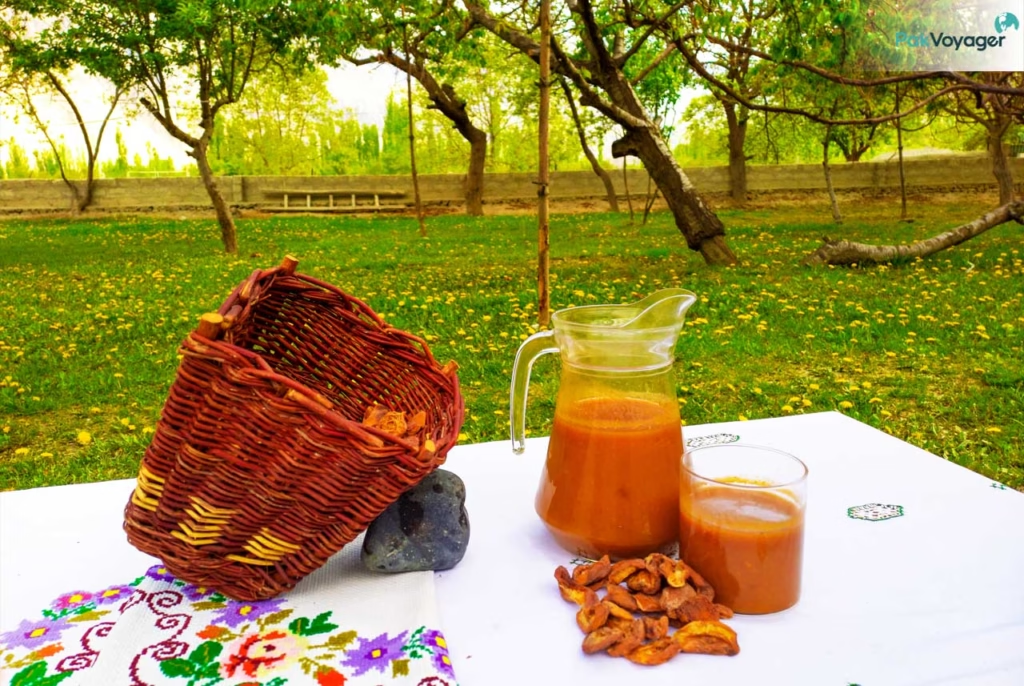
Chamus is Hunza’s signature summer drink, crafted from soaked and hand-rubbed dried apricots. Its naturally tangy-sweet flavor and rich aroma make it a refreshing way to beat the mountain heat. Locals cherish it not only as a thirst-quencher but also as a natural energy booster—especially after long treks or hearty meals.
How It’s Made: Dried apricots are soaked overnight, gently rubbed to extract their pulp, then strained and sweetened lightly. The result is a smooth, golden drink that captures the essence of Hunza’s apricot orchards.
You can enjoy authentic Chamus at traditional spots like Hidden Paradise Guesthouse (Karimabad) or Dumani Mountain Lodge (Aliabad), where it’s often served chilled alongside apricot-based desserts.
17. Tumuro Chai (Wild Thyme Tea)
Tumuro, or wild thyme, grows abundantly in Hunza’s alpine meadows. Locals dry its aromatic leaves and brew them into a soothing herbal tea that helps relieve indigestion, colds, and fatigue. Its earthy aroma and calming flavor make it a beloved part of daily life.
How It’s Made: Dried Tumuro leaves are steeped in hot water for several minutes, often with a touch of honey for sweetness.
Tumuro tea is made in every Hunza home, especially during winter, to stay warm and healthy. You can also enjoy it at Cafe de Hunza or Hidden Paradise Guesthouse, where it’s served alongside local snacks and apricot-based desserts.
18. Namkeen Chai (Salty Tea)
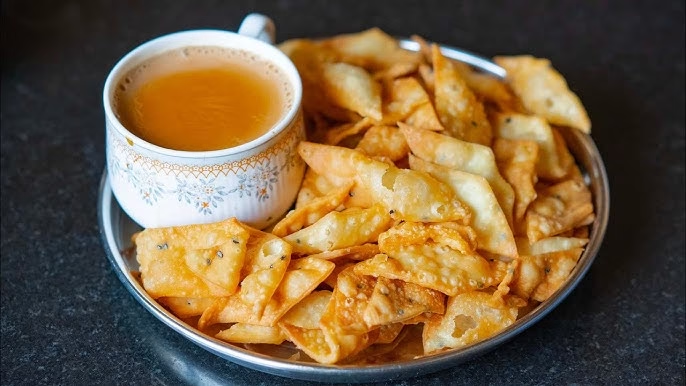
Hunza Chai surprises many with its salty and creamy flavor, a tradition shared with Baltistan and Tibet. Rich, warming, and deeply comforting, it’s the perfect drink for Hunza’s chilly mornings and mountain winds.
How to Make Hunza Chai: Boil strong tea leaves, add milk and a pinch of salt, and simmer until the color turns creamy brown. Some locals enhance the flavor with dried ginger or butter, giving it a smooth, aromatic richness.
Hunza Chai is made in every home across Gilgit-Baltistan, especially as morning tea. You can also sip a perfectly brewed cup at Cafe de Hunza or Mountain Cup Café in Karimabad, where locals gather to start their day.
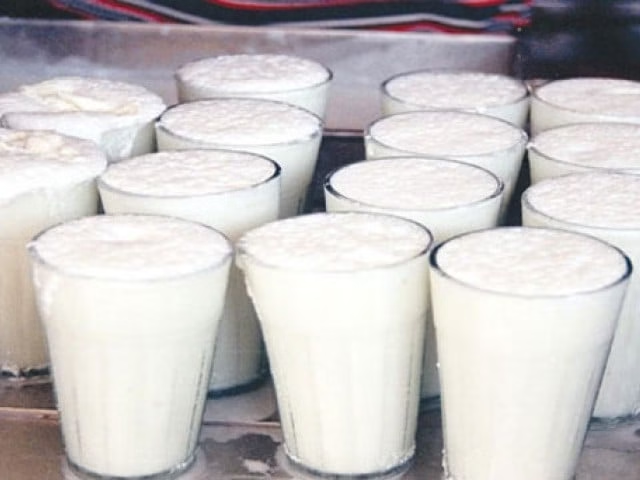
19. Diltar (Lassi)
Diltar, or lassi, is a refreshing yogurt-based drink that starts many mornings in Hunza. While locals traditionally enjoy it salty, you can also find versions flavored with mango, fruit, or spices. Packed with probiotics, Diltar aids digestion and strengthens immunity—making it both delicious and nourishing.
Where to Try It:
Diltar is made in nearly every home in Hunza, especially during summer. For visitors, authentic versions are also served at Cafe de Hunza and Hunza Food Pavilion in Karimabad, offering both traditional salty and sweet varieties.
20. Diram Fiti
Diram Fiti, meaning “sprouted bread,” honors Hunza’s deep farming traditions. Made from sprouted wheat, it’s rich in nutrients and provides lasting energy—symbolizing growth and new beginnings. Families often prepare it especially during weddings or childbirth, as a gesture of gratitude and community bonding.
You can taste freshly made Diram Fiti at local wedding feasts or during village celebrations in Karimabad and Altit, where families still bake it in traditional clay ovens.
🥩 Proteins & Health Staples
21. Yak Meat
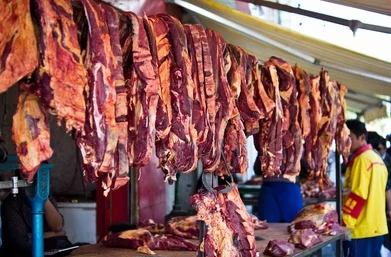
ak meat is a must-try delicacy when visiting Hunza. Similar to beef but richer in flavor, it’s featured in traditional dishes like Chapshuro, BBQ platters, and even juicy burgers. The best place to experience authentic yak cuisine is The Yak Grill in Passu and in Yak Bar, where chefs serve tender yak steaks that perfectly capture the mountain spirit and bold flavors of Hunza.
🌟 Conclusion: Savor the Soul of Hunza
Hunza Valley’s food isn’t just nourishment—it’s a way of life built on health, simplicity, and gratitude. Every meal honors the land and its people’s connection to nature.
When you visit this breathtaking valley, don’t just admire the mountains—taste Hunza. From apricot soups to salty tea, every dish offers a glimpse into a culture where wellness and flavor live in perfect harmony.
